 Add Row
  Add
Add 

Did you know? A recent industry report reveals that HVAC businesses boosting efficiency with modern tools can see profit margins increase by up to 30% within a single year. Whether you run a small local HVAC company or manage a large team of technicians, upgrading your tools and processes isn’t just convenient—it’s essential for long-term survival and success. In this comprehensive guide, you’ll discover the HVAC business tools that genuinely impact your bottom line and how you can leverage them for faster, more profitable growth.
Startling Truth: The Real Impact of HVAC Efficiency on Business Profits
Many HVAC businesses unknowingly leave tens of thousands of dollars on the table each year simply by sticking with outdated systems and manual processes. Efficiency isn’t just about energy savings; it’s a direct path to higher profitability. For every service call or installation, streamlined field tools, digital planning, and proactive customer technology shorten job times, reduce errors, and speed up cash flow. This means more jobs completed per day, fewer callbacks, and a team that actually enjoys using their tools.
Operational efficiency in the HVAC industry goes hand in hand with customer retention and satisfaction. From smarter air conditioning systems to software for real-time job scheduling and remote system monitoring, every piece chosen thoughtfully can make a significant difference. Embracing a modern approach to indoor air quality management, HVAC system diagnostics, and cloud-based invoicing doesn’t just keep your technicians happy—it also satisfies customers, earning you repeat business and steady referrals. Over time, the cumulative effect on profits is transformative, positioning your company ahead of the competition.

What You'll Learn About Optimizing Your HVAC Business
Essential HVAC tools and software that truly increase efficiency
Key strategies for improving profitability through technology
How air conditioning and indoor air quality tools drive customer satisfaction
Insights into HVAC systems, technicians, and energy efficiency
Step-by-step guide to building a modern, competitive HVAC business
Understanding the Modern HVAC Business Landscape
The Role of HVAC in Commercial and Residential Markets
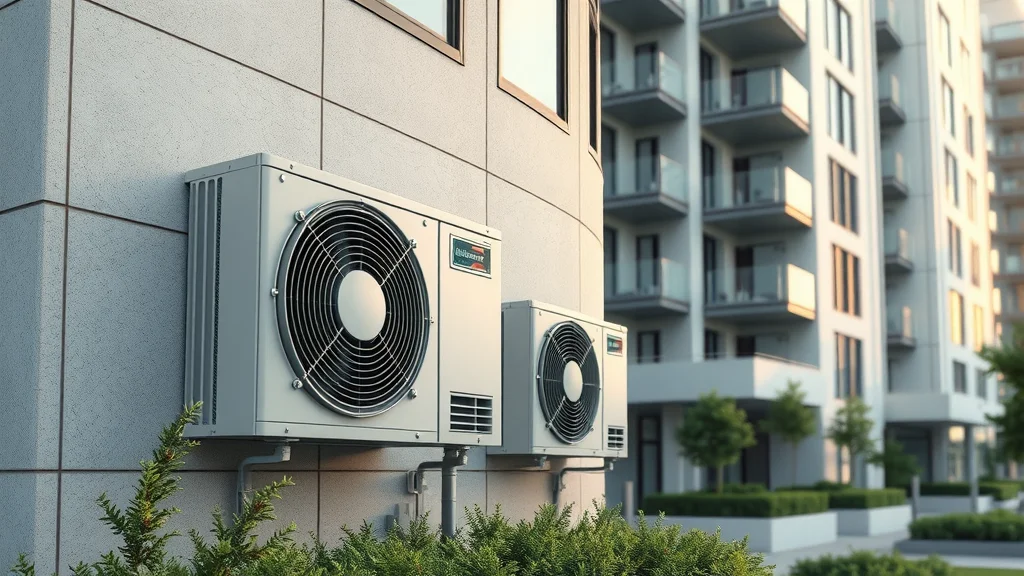
The influence of HVAC systems—standing for heating, ventilation, and air conditioning—extends far beyond just comfort. In both commercial and residential settings, HVAC is the unsung hero, ensuring clean, temperature-controlled, and healthy environments. Commercial buildings rely on robust HVAC systems to circulate air efficiently among office spaces, keeping employees productive and safeguarding sensitive equipment. Meanwhile, in homes, HVAC units control both heating and cooling systems, protecting indoor air quality and reducing allergens for families.
With energy-efficient air conditioning units, heat pumps, and advanced ventilation systems now the norm, the market expects more from every HVAC installation. Customers have become savvy, demanding solutions that offer better air quality and lower utility bills. As a result, modern HVAC businesses must be agile, keeping up with both changing codes and client expectations, and always ready to guide clients on the best air handler choices or energy-saving upgrades.
Current Trends in HVAC Systems and Air Quality Solutions
The past decade has ushered in rapid innovations in the HVAC industry. From smart technology integration to eco-friendly refrigerants, trends are shaping businesses worldwide. Indoor air quality awareness has skyrocketed, especially post-pandemic, leading to a surge in demand for air purifiers, high-performing filters, and advanced air monitoring systems. This shift means HVAC companies must now recommend and install solutions that do more than simple temperature control.
Emerging products, like smart thermostats and automation-ready HVAC system components, allow for remote management and real-time performance adjustments. Businesses are also turning to predictive maintenance—using IoT sensors to spot failures in ac units or handling units before customers even notice. Staying ahead in this landscape means offering holistic solutions: optimizing energy use, enhancing air quality, and building customer trust through transparency and sustainability.
"The HVAC industry’s growth is partly fueled by advancements in air conditioning system efficiency and indoor air quality awareness."
Critical HVAC Tools Every Business Needs
Introduction to HVAC Tools: Beyond the Basics
A modern HVAC technician's toolkit goes far beyond traditional wrenches and screwdrivers. Business owners and managers must equip their teams with advanced tools for faster diagnostics, precise repairs, and streamlined communication. From digital manifold gauges to tablet-based inspection checklists, today’s field tools let techs finish jobs with fewer mistakes and happier customers.
Investing in top-grade equipment isn’t an expense—it's a smart strategy. Whether in commercial or residential work, digital tools for measuring refrigerant pressures, leak detection, and airflow assessment help ensure every cooling system is optimized for energy efficiency. Not only do these tools improve service reliability, but they also reduce liability, lower operational costs, and provide the competitive edge needed in the United States’ crowded marketplace.
Essential Field Tools for HVAC Technicians
Manifold gauges and digital meters
Advanced leak detectors for air conditioning and cooling systems
Cutting-edge tools for handling unit and air handler diagnostics
Great HVAC technicians rely on a blend of experience and the right equipment. Digital manifold gauges precisely measure refrigerant pressures for various ac units and heat pumps, ensuring system efficiency while minimizing environmental impact. Advanced leak detectors can spot refrigerant leaks that would otherwise go unnoticed until failures occur, saving both repair costs and environmental fines.
Specialty tools are now available for intricate diagnostics on air handlers and condensing units. Automated testers quickly verify the performance of intricate HVAC system components, while infrared cameras can “see” HVAC duct leaks invisible to the naked eye. These tools, once a luxury, have become a baseline requirement for companies dedicated to reducing wasted time and making every site visit count.

Top Office & Business Management Software for HVAC
Software solutions are just as vital as field tools in the modern HVAC business. Cloud-based platforms for operations, scheduling, dispatch, and invoicing save countless admin hours every week. Leading field service management apps integrate with CRM systems, allowing customer information, appointment histories, and job notes to be accessed on-site from any mobile device.
For growing businesses, features like fleet tracking, automated reminders, and seamless inventory management allow for greater scalability. Integrated HVAC business management software brings together estimates, maintenance contracts, and even marketing campaigns in one place—ensuring every lead, job, and invoice is tracked for maximum profitability.
Selecting the Right HVAC System Design Tools
Planning and design are core pillars of successful HVAC installations, especially when dealing with custom commercial systems or complex zoning requirements. The latest design software lets engineers and contractors model the performance of a complete conditioning system—from duct layouts to optimal airflow and temperature settings—before a single sheet metal piece is cut.
Modern design tools can perform detailed load calculations, simulate energy consumption, and ensure full compliance with local building codes. By integrating with digital blueprints and documentation platforms, business owners eliminate design errors, reduce re-work, and ensure faster approvals on new commercial or residential HVAC projects.
"Using modern HVAC system software isn't optional—it's essential for greater efficiency and service reliability."

Air Conditioning, Air Quality, and Ventilation: Must-Have Business Tools
Optimizing Air Conditioning Systems with Advanced Monitoring
Today's air conditioning systems are smarter than ever. Advanced monitoring devices track system metrics in real-time, alerting businesses to performance issues before they spiral into costly repairs. With sensors monitoring pressures, refrigerant levels, and air temperatures, HVAC technicians can optimize cooling system performance remotely, improving both energy efficiency and customer satisfaction.
Remote diagnostics and app-based controls cut unnecessary site visits and allow proactive scheduling—fixing minor issues before they become emergencies. The result: fewer breakdowns, reduced warranty claims, and the ability to offer value-added maintenance plans that boost year-round cash flow.
Integrating Indoor Air Quality Solutions into HVAC Offerings
Elevating indoor air quality isn't just about selling add-ons; it's becoming a fundamental customer expectation. High-performing filters, UV germicidal systems, and continuous air quality monitors are now staples for both residential and commercial installations. Consumers are willing to pay more for air that's filtered, fresh, and free of allergens or particulates.
By integrating air purifiers and smart sensors with traditional heating and cooling systems, businesses can offer bundled services—installation, ongoing monitoring, and regular filter changes—that deepen client relationships. This recurring service model builds predictable revenue and proves invaluable for commercial building contracts where air quality audits, reporting, and compliance are required.

The Rise of Smart Thermostats & Automation in HVAC
Smart thermostats have shifted the paradigm of HVAC control. These devices go beyond simple scheduling, learning user behavior to maximize both comfort and energy savings automatically. Businesses that offer smart thermostat installation set themselves apart with high-value upgrades that directly lower client energy costs.
Integration with automation platforms allows customers to monitor and adjust their HVAC system from anywhere, using smartphones or connected home hubs. Automated alerts for filter changes, system diagnostics, and heating or cooling anomalies provide never-before-seen transparency—and allow your service team to intervene before customers notice issues, locking in long-term satisfaction.

Natural and Mechanical Ventilation Systems: Best Practices
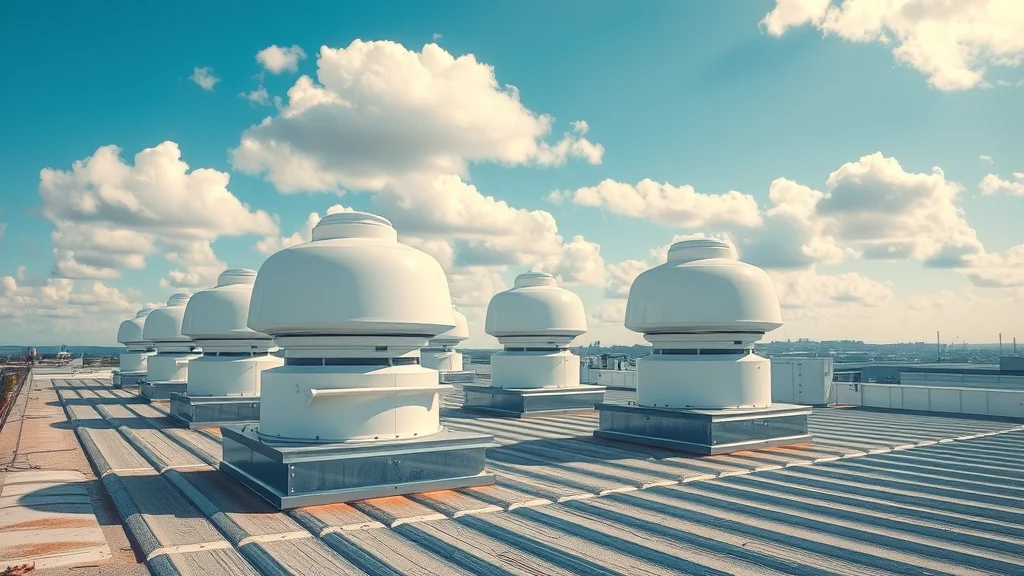
Proper ventilation is the silent force behind healthy, energy-efficient spaces. While natural ventilation—opening windows and allowing cross-breezes—can work in temperate climates, mechanical ventilation systems are a must for sealed, energy-efficient buildings or environments where air quality is critical.
Mechanically controlled ventilation systems, such as ERVs (Energy Recovery Ventilators) and air handlers, manage the delicate balance between bringing in fresh air and expelling stale indoor air, all while minimizing energy loss. Regular maintenance and smart controls ensure that both commercial and residential clients benefit from optimal fresh air circulation, low humidity, and reduced airborne allergens.
How HVAC Software Increases Business Efficiency
CRM and Scheduling Tools for HVAC Companies
Managing a successful HVAC business involves more than technical skills—it requires operational excellence. Modern Customer Relationship Management (CRM) and job scheduling software have become the backbone of efficient workflow, allowing office staff and field technicians to stay in sync. Automated scheduling reduces missed appointments, optimizes route planning, and reduces drive time.
A top-tier CRM lets you track leads, manage service agreements, and even automate customer reminders for maintenance visits. The result is more jobs completed each week, less admin hassle, and consistently higher customer ratings—directly translating to higher profits and lower operational expenses.
Inventory and Fleet Management for HVAC Systems
Keeping track of parts, tools, and service vehicles used to be a source of lost profits for many HVAC companies. With the introduction of inventory and fleet management software, managers have real-time visibility into stock levels, tool usage, and the location of every service van. Automated restocking, low-inventory alerts, and GPS-based fleet tracking ensure the right tech arrives at the right job with the right equipment every time.
These tools reduce idle time and prevent costly delays caused by missing parts or lost service vehicles. For growing companies, fleet management extends to vehicle maintenance tracking and driver safety monitoring, further minimizing risk and liability while maximizing each vehicle’s ROI.

Remote Monitoring and Predictive Maintenance of HVAC Units
Routine checkups and reactive repairs are rapidly giving way to predictive maintenance, fueled by remote monitoring technology. Using IoT sensors, HVAC units continuously report performance data to cloud dashboards—enabling real-time alerts for component wear, refrigerant leaks, or airflow restrictions. Instead of waiting for breakdowns, companies can proactively repair or replace failing parts, improving system reliability and extending the life of every installed ac system or heat pump.
This technology creates new recurring revenue streams through maintenance contracts and builds customer trust through transparency. Predictive analytics reduce costly emergency repairs, increase first-call fix rates, and keep clients comfortable year-round—all while growing the service side of your business.
Comparison of Leading HVAC Business Management Software | |||
Software |
Features |
Pricing |
Ease of Use |
|---|---|---|---|
ServiceTitan |
Scheduling, CRM, Invoicing, Fleet Management |
$$$ (Premium) |
Very User-Friendly |
Housecall Pro |
Job Scheduling, Payments, Customer Notifications |
$$ (Mid-range) |
Easy Setup |
Jobber |
Quotes, Dispatch, Customer Portal, Inventory |
$$ (Mid-range) |
Simple Interface |
FieldEdge |
Service Agreements, Time Tracking, Integrated Payments |
$$$ (Premium) |
Comprehensive |
Profitability in HVAC: Strategies That Actually Work
Key Metrics: Profit Margins and Revenue Streams in HVAC
Understanding your profit margins and revenue streams is crucial to growing any HVAC company. Revenue comes from a combination of installations, replacements, repairs, and recurring maintenance contracts. Tracking your gross and net profit margins—after accounting for equipment, labor, and operational costs—ensures you set pricing that drives sustainable growth.
Businesses that focus on high-margin services, such as energy efficiency upgrades or indoor air quality solutions, achieve higher profits with less competition. Implementing transparent reporting and using analytics from your business management software allows real-time course correction. The key is not just increasing revenue, but making each job more profitable through smart business tools, customer service upsells, and improved operational efficiency.

Energy Efficiency: Reducing Costs for Your Business and Clients
Energy efficiency is a win-win: it cuts utility bills for clients and brings HVAC businesses competitive advantage and enhanced profit margins. Offering high-SEER air conditioners, variable-speed heat pumps, and advanced smart controls not only meets regulatory standards but exceeds customer expectations. These upgrades often qualify for government rebates, making them even more attractive for residential and commercial clients alike.
From system selection to final installation, monitoring tools help ensure heating and cooling equipment operates at peak performance. Teaching customers how to use their new systems effectively, combined with regular maintenance reminders, minimizes call-backs and keeps clients coming back for upgrades in the future.
Leveraging Indoor Air Quality Upgrades for Higher ROI
Investing in indoor air quality services is one of the highest-ROI strategies for HVAC businesses. Bundling solutions such as HEPA filtration, UV lights, and humidity control with new or existing installations transforms a standard service call into a high-value transaction. Regular monitoring and filter replacement services turn one-time jobs into long-term customer relationships, generating recurring revenue.
With increasing health and safety concerns, customers now view indoor air quality not as a luxury, but as an essential investment. By positioning your business as a go-to expert in healthy building environments, you increase referrals, set premium pricing, and solidify your presence in your local market.
Scaling Up: Adding New HVAC Services
Growth doesn’t always mean opening a second location. The most profitable HVAC businesses add complementary services—like duct cleaning, energy audits, or commercial landscaping of rooftop units—which can be performed by well-trained existing technicians. Each new offering attracts different customer segments and keeps your company top-of-mind for all things building comfort and safety.
Whether expanding into smart home integrations or specialized hospital-grade filtration, diversification solidifies your revenue base and protects against seasonal fluctuations. The key is to train your team in these specialties while keeping your core services—like hvac systems maintenance—strong and efficient.
"Profitability in HVAC is often found at the intersection of efficiency and innovation."
Dynamic overview of modern HVAC tools being used: technician performing advanced diagnostics with digital meters, office manager using software dashboard, and homeowner adjusting smart thermostat. Clean transitions, clear graphics, and engaging music throughout.
Hiring, Training, and Retaining Top HVAC Technicians
What Makes a Great HVAC Technician?
Exceptional HVAC technicians combine technical know-how with strong communication skills, reliability, and a commitment to safety. They keep up with evolving hvac systems, adapt to new tools and software, and maintain certifications in areas like refrigerant handling and energy-efficient methods. The industry rewards those who think critically and troubleshoot on the fly—especially in high-pressure or time-sensitive scenarios.
Beyond repair skills, great technicians build lasting customer relationships through honesty, professionalism, and a clear focus on delivering clean, efficient indoor air and safe heating and cooling systems. Ongoing professional development and engagement keep technicians excited about their work and loyal to your company.
Building a Training Program Around New HVAC Technologies
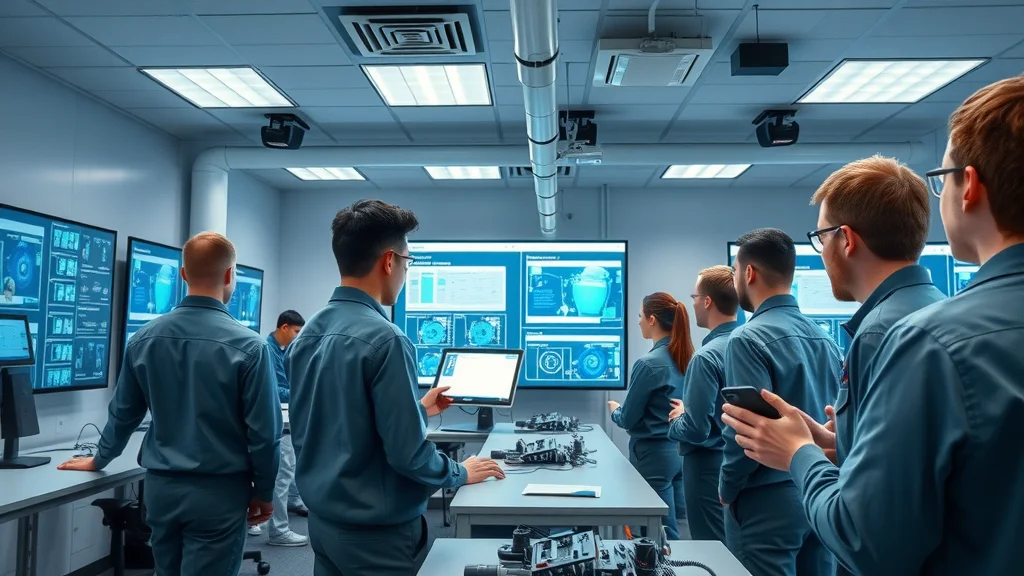
Industry-leading companies don’t wait for the next generation of tools—they train their teams in advance. Successful training programs blend classroom instruction with hands-on practice using the latest equipment, simulators, and software. Partnering with manufacturers or trade schools for certifications ensures each technician can safely install, troubleshoot, and manage both legacy and next-generation systems.
Training should address not just the basics but advanced topics: smart thermostats, predictive maintenance, energy audits, and the integration of indoor air quality features. Regular upskilling ensures your business stays competitive and your team remains motivated and adaptable in the fast-evolving HVAC landscape.
Maintaining Compliance and Safety in Air Conditioning and Heating Systems
Qualities of an effective HVAC technician: technical acumen, safety awareness, adaptability, customer-centric approach
Key certifications for HVAC system expertise: EPA Section 608, NATE certification, manufacturer-specific credentials
Safety protocols for air conditioning, heating, and ventilation systems: lockout/tagout, proper PPE, refrigerant handling, and regular equipment calibration
Meeting compliance requirements—local, state, and federal—is non-negotiable in the HVAC industry. Ensuring technicians understand and follow OSHA standards, building codes, and refrigerant handling laws keeps both customers and businesses protected. Safety meetings, testing, and continued education show clients your commitment to their well-being and set your business apart as a leader in quality and trust.
Enhancing HVAC Customer Experience with Cutting-Edge Technology
Smart HVAC Systems: Remote Controls and Customer Portals
Customer expectations for HVAC system service are higher than ever, with many demanding on-demand access to their equipment. Smart systems now offer fully integrated remote controls—accessible from smartphones or web-based portals—allowing users to adjust temperature, humidity, and ventilation on the fly.
Customer portals let clients check appointment times, submit service requests, pay invoices, and even track their technician’s ETA in real time. This transparency and convenience inspires confidence and increases loyalty, ensuring that satisfied clients keep coming back for upgrades and maintenance contracts.

Proactive Communication: Real-Time Service Updates
Automated messaging and alerts—triggered by CRM software or IoT devices—keep customers in the loop about scheduling, technician arrivals, and system performance. By proactively communicating service timing, diagnostic updates, or the need for filter replacements, HVAC companies reduce customer anxiety and minimize inbound calls.
Proactive customer updates also allow service managers to quickly respond to issues as they arise, ensuring seamless coordination between technicians, office staff, and clients. This level of communication sets your business apart and is a cornerstone of the modern, customer-focused HVAC business model.
Creating Long-Term Customer Value Through Innovative Offerings
Building a loyal client base goes beyond basic repairs. Innovative businesses create custom memberships, loyalty programs, and bundled service offerings that reward repeat business and referrals. Offering long-term maintenance contracts, automatic scheduling for seasonal tune-ups, and exclusive access to new technology helps solidify relationships and generate steady revenue.
Investing in customer experience tech—like smart scheduling, self-service portals, and educational resources—demonstrates a genuine commitment to client well-being, setting your company apart in the marketplace.
ROI of Customer Experience Technology in HVAC Services | |||
Technology |
Investment |
Revenue Impact |
Customer Retention |
|---|---|---|---|
Smart Thermostats & Remote Monitoring |
$$ |
15-25% increase through upsells |
High |
Customer Portals & Real-Time Service Updates |
$ |
10-15% revenue boost via convenience fees |
Very High |
Predictive Maintenance Contracts |
$$ |
Steady recurring income |
Excellent |
Watch how HVAC system data, actionable analytics, and business software drive smarter business decisions and faster growth.
People Also Ask: HVAC Business Profitability and Careers
Can HVAC make $100,000 a year?
A skilled HVAC technician or contractor can earn $100,000 or more annually through a combination of specialized services, overtime work, and focus on high-value sectors like commercial HVAC systems or advanced air conditioning system upgrades. Profitable regions in the United States often see tech pay spike for those credentialed in energy efficiency or indoor air quality systems, especially for those who branch into business ownership.
What is the $5000 rule for HVAC?
The $5000 rule is a handy guideline for deciding when to repair or replace an HVAC system: Multiply the system’s age by the repair cost—if the answer exceeds $5,000, replacement is usually the smarter choice. This rule helps homeowners and businesses avoid throwing money at aging air conditioning or heating systems that are likely to need further repairs soon.
How much do HVAC techs make in WV?
In West Virginia, HVAC technicians typically earn between $40,000 and $60,000 a year. Salaries are influenced by certification levels, industry demand, and specializations in advanced HVAC system controls, duct design, or indoor air quality upgrades. Higher levels of experience and up-to-date training on modern units can push earnings even higher.
Do HVAC make money?
Yes, HVAC businesses and technicians enjoy healthy profit margins—industry averages are often 8-15% for established companies providing recurring air conditioner maintenance, installation, and comprehensive indoor air quality services. The most profitable businesses bundle high-value offerings like predictive maintenance and energy-efficiency upgrades.
FAQs About Profitable HVAC Business Tools
What are the best HVAC field service management apps? Top choices include ServiceTitan, Housecall Pro, Jobber, and FieldEdge. These solutions cover scheduling, CRM, payroll, and fleet management—allowing for seamless, paperless operations.
How can I improve indoor air quality with HVAC systems? Use high-quality filters, install air purifiers, maintain consistent humidity, and offer smart monitoring devices for continuous analysis of indoor air quality.
What tools does an HVAC technician absolutely need? Must-have tools include digital manifold gauges, advanced leak detectors, multimeters, thermal imaging cameras, and a reliable tablet or smartphone for software-based diagnostics and reporting.
How does energy efficiency affect HVAC profits? High-efficiency equipment reduces client utility bills, qualifies for rebates, and earns more on every installation—while also leading to fewer service callbacks and happier customers.
What role do heat pumps and handling units play in profitability? Heat pumps and handling units enable versatile, energy-efficient system designs. Offering these as upgrade options increases revenue from both residential and commercial contracts and enhances year-round service revenue opportunities.
Key Takeaways: HVAC Tools for Efficiency and Profit
Investing in the right HVAC tools and software is non-negotiable for efficiency gains.
Air quality and advanced HVAC systems boost customer satisfaction and margin.
Staff training and real-time customer engagement maximize growth potential.
Profitability emerges from blending technology, expertise, and customer focus.
Ready to Transform Your HVAC Business? Take the Next Step
Whether starting out or scaling up, now is the time to invest in the HVAC tools, technology, and training that will define your company’s next chapter. Evaluate your current processes, empower your team, and embrace new opportunities in efficiency, air quality, and client service. The future of HVAC is bright for those who lead with innovation and care.
Conclusion: Why Smart HVAC Investments Drive Long-Term Success
Smart investments in HVAC tools and technology forge the path to industry leadership—delivering efficiency, profit, and meaningful customer value that lasts.
Sources
To enhance your HVAC business’s efficiency and profitability, consider leveraging advanced field service management (FSM) software. The article “15 Ways HVAC Companies Increase Revenue with Field Service Management Software” outlines strategies such as optimizing parts inventory to reduce costs and delays, improving customer retention through superior service experiences, and reducing administrative overhead to improve profit margins. Implementing FSM software can lead to significant improvements in operational efficiency and customer satisfaction.
Additionally, the “HVAC Profit Margin Calculator” provided by ServiceTitan offers a practical tool to assess and enhance your company’s financial performance. This calculator helps you understand your current profit margins and identify areas for improvement, ensuring your pricing strategies and operational costs are aligned with your profitability goals.
By integrating these resources into your business operations, you can streamline processes, improve customer satisfaction, and ultimately boost your bottom line.


Write A Comment