 Add Row
  Add
Add 

Did you know? The global HVAC industry is projected to surpass $367 billion by 2030, growing at a dazzling pace as modern buildings demand more efficient heating, ventilation, and air conditioning systems than ever before. This explosive expansion has HVAC companies racing to rethink and realign their business strategies for sustainable growth—and you’re about to learn how the industry’s top performers get it done.
A Surprising Snapshot: The Expanding HVAC Industry
Few sectors have matched the HVAC industry’s remarkable transformation over the past decade. Driven by rising construction, extreme weather fluctuations, and a sharper focus on indoor air quality, companies offering advanced hvac solutions are experiencing unprecedented demand. As the built environment evolves, so do the expectations for energy efficiency and comfort, pushing HVAC businesses to innovate their offerings.
Practically every newly constructed or renovated space, whether it’s a home, school, or hospital, depends on a carefully designed hvac system for healthy air and consistent temperatures. Companies that lead the pack don’t just install ac units or air handlers; they pioneer technologies for indoor air quality and harness automation for smarter systems. Understanding this dynamic landscape is essential for those looking to compete, scale, or modernize their own HVAC company.

Exploring HVAC Sector Growth Through Data
Global data underscores the accelerating expansion of the hvac market, especially in regions like the United States, Europe, and Asia-Pacific. According to recent industry reports, demand for central air, heat pumps, and advanced ac system controls is outpacing other building services—driven not only by regulations but also by consumer awareness of environmental health and energy savings. Upgrades in tech, such as IoT-enabled hvac systems, have put real-time analytics and predictive maintenance within reach of even smaller businesses, optimizing efficiency and boosting reliability.
Furthermore, new mandates for indoor air quality and stringent building codes are fueling investments in air filtration, ventilation, and ac unit innovation. Stakeholders turn to statistics—like the double-digit CAGR (compound annual growth rate) in air conditioning system sales—to guide decisions and highlight areas for competitive advantage.
Why HVAC Businesses Are More Critical Than Ever
The pandemic and increased awareness around health have underscored the vital role that hvac systems play in protecting indoor air environments. Today’s ac systems don’t just deliver cool air; they help manage temperature and humidity to curb pathogens and allergens, contributing significantly to occupant wellness. The industry’s essential nature is further highlighted by extreme climate events that force businesses and homeowners to rethink resilience and preparedness, fast-tracking demand for reliable hvac and air filtration upgrades.
HVAC companies willing to adapt now find themselves not only essential, but central, to future-ready building solutions. By putting air quality and system intelligence at the forefront, these companies are positioned for long-term relevance and profitability.
What You'll Learn About HVAC Business Growth
- The essential elements of HVAC growth strategies
- How successful HVAC companies adapt to market changes
- Role of technology and sustainability in HVAC systems
- Key financial metrics for HVAC expansion
- Common challenges and how to overcome them
Understanding the Foundations of HVAC Success
What Does HVAC Mean? Defining the HVAC System
HVAC stands for Heating, Ventilation, and Air Conditioning. A hvac system is designed to regulate the air inside buildings to provide optimal comfort, temperature, and air quality. This isn’t just about warm winters or crisp, cool air in summers—modern hvac also manages humidity, air purity, and energy consumption to meet today’s higher living standards. From a simple ac unit in a single apartment to intricate networks serving hospitals, every installation follows two core principles: delivering comfort and ensuring healthy indoor air.
A true understanding of hvac systems means knowing the interplay between devices, settings, and human behavior. For instance, a poorly maintained air conditioner can harm health and waste energy; conversely, a well-integrated air handler, heat pump, and smart controls boost both sustainability and occupant well-being.
Components of a Modern HVAC System: AC System, Heat Pump, and Air Handler
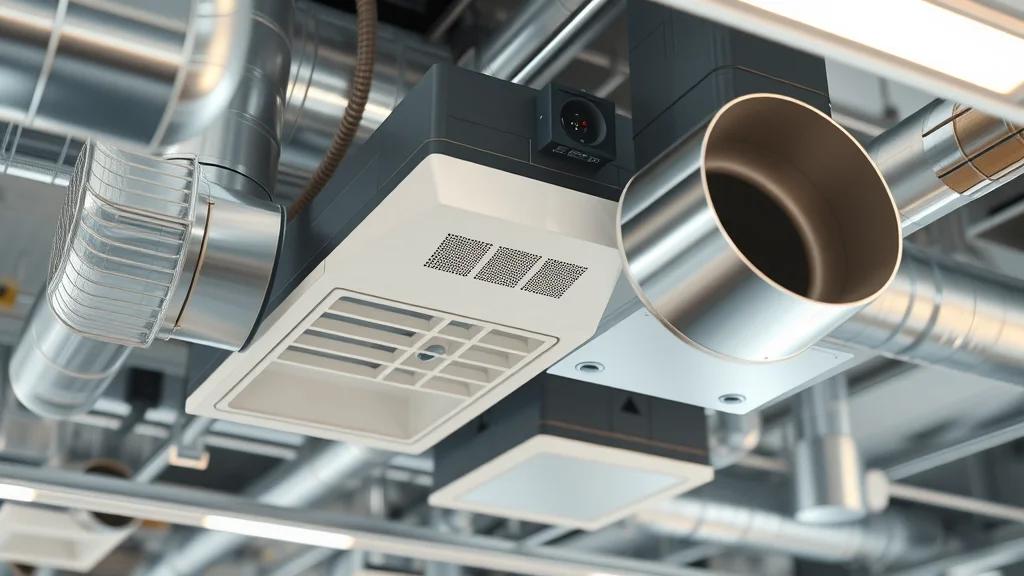
Modern hvac systems combine several key components. The ac system is familiar to most people and provides cool air during warmer months. But alongside that sits the heat pump, a versatile unit providing both heating and cooling by moving thermal energy where it’s needed most. Air handlers complement these by distributing conditioned air throughout the building, ensuring every room maintains the right temperature and humidity.
Other vital pieces include ventilation systems for bringing in fresh air and specialized filters that trap allergens or pollutants, improving indoor air quality. With the rise of split system designs, where separate components connect to maximize flexibility and efficiency, businesses can tailor their setups to client needs, site constraints, and budget.
The Impact of Indoor Air Quality on HVAC Business Strategy
High indoor air quality is now a key selling point and regulatory requirement in both residential and commercial contracts. HVAC firms that offer superior air filtration and mechanical ventilation earn a distinct reputation for protecting health, especially in schools, hospitals, and densely populated buildings. From integrating HEPA filtration to balancing CO2 levels, attention to air quality shapes all parts of the HVAC value chain, from system design to routine servicing.
For companies, investing in IAQ (Indoor Air Quality) enhances customer trust, reduces liabilities associated with sick building syndrome, and directly influences contract value. Consumers increasingly ask: "Can this system guarantee healthy indoor air?"—making this element core to every hvac growth strategy.
Case Quote: Industry Leader Insights on HVAC Transformation
"The integration of advanced hvac systems has revolutionized efficiency and client satisfaction within the industry."
Strategic Planning for HVAC Company Growth

Analyzing Market Demands and Air Conditioning Trends
Modern HVAC businesses analyze vast amounts of market data to anticipate customer needs in air conditioning, heating and cooling, and energy efficiency. Consumer preferences, seasonal weather changes, and building standards drive shifts in popular ac unit types or heat pump configurations. In the United States, for example, the trend towards decarbonization and renewables prompts rapid adoption of energy-efficient models and advanced air conditioning systems. HVAC companies that monitor these shifts can deploy tailored solutions before competitors, winning contracts and loyalty.
Additionally, smart companies study how climate, local codes, and demographic changes affect air quality priorities and ventilation system adoption. This data-driven approach underpins marketing decisions, hiring plans, and even the kind of training technicians receive.
How Energy Efficiency Drives the HVAC Market
No industry trend is more significant than energy efficiency. Upgrading an older hvac system to an Energy Star-rated ac system can slash annual power bills, while eco-conscious consumers increasingly demand systems that combine comfort with sustainability. HVAC companies are embracing heat pumps, variable-speed compressors, and smart thermostats to provide more control over consumption—leading directly to better customer satisfaction and a competitive market edge.
In both new installations and retrofits, focusing on energy efficiency doesn’t just help clients save money—it can also unlock rebates, tax credits, and green building certifications, all of which help broaden client bases and improve margins. The future belongs to companies whose hvac systems deliver climate comfort at the lowest possible energy cost.
Aligning Financial Goals with HVAC Expansion
Financial discipline is as crucial as technical innovation. Leading hvac companies measure everything—from the ROI on ac unit upgrades to margins for quarterly maintenance contracts. Setting growth goals means balancing capital investments in new technologies with predictable revenue from service agreements and system retrofits. Savvy businesses track key metrics like customer acquisition cost, average ticket size, and recurring revenue, ensuring strategic decisions deliver real value.
Aligning financial goals with expansion involves identifying service areas with untapped demand, investing in higher-margin products like advanced filtration or smart ac systems, and controlling costs through fleet management and digital process automation.
Innovative HVAC Technologies Powering Expansion
Smart HVAC Systems and Automation
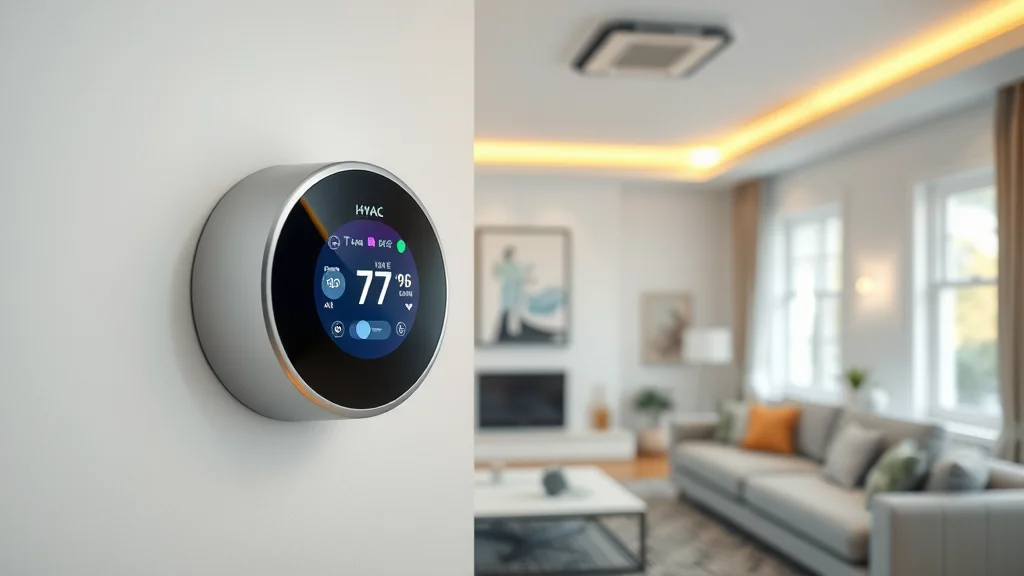
The digital revolution has transformed the typical hvac system into a finely tuned, intelligent network. Smart thermostats, occupancy sensors, and IoT-connected ac units allow real-time energy savings and predictive maintenance, minimizing downtime and elevating customer experience. Automation reduces manual errors and provides actionable insights, like airflow optimization and filter replacement prompts, straight to both business managers and homeowners.
Adopting these innovations lets HVAC companies expand their service portfolios and create additional revenue streams, such as remote monitoring subscriptions or data-driven equipment upgrades. This technological edge is critical for companies aiming to differentiate in an increasingly crowded market.
Upgrading Air Conditioning and Ventilation System Capabilities
Continuous improvements in air conditioning and ventilation systems are essential for both building code compliance and occupant satisfaction. Enhanced evaporator coils, variable-speed fans, and ductless split designs now deliver superior air quality and efficiency across a wider range of building types. Retrofitting older buildings with state-of-the-art ac systems not only resolves legacy comfort issues but unlocks substantial energy savings and value.
As demand grows for both zone-based controls and all-in-one smart systems, top HVAC firms take a holistic view—optimizing airflow, upgrading filtration, and leveraging data to maximize both the performance and lifespan of every ac system.
The Role of Heat Pumps and Split System Designs
The shift towards heat pumps and split system technology is driving next-level comfort, flexibility, and sustainability. Heat pumps can both heat and cool efficiently, extracting warmth from outside air in winter and providing cool air in summer, with far lower energy usage than traditional systems. Combined with split system configurations—where air handlers, evaporators, and compressors are distributed for tailored control—these setups are ideal for both renovations and new builds.
Customers benefit from modularity, minimal ductwork, and the ability to install high-efficiency components over time. Businesses, in turn, boost competitive advantage by offering the latest tech, appealing to eco-conscious and budget-oriented clients alike.
| Feature | Legacy HVAC System | Modern HVAC System |
|---|---|---|
| Primary Control | Manual Thermostat | Smart Thermostat & Automation |
| Air Quality Filtering | Basic Filter | HEPA / Smart Air Filtration |
| System Efficiency | 60–80% AFUE/SEER | 90–98% AFUE/SEER |
| Service/Maintenance | Manual Checks | Predictive, IoT Monitoring |
| Flexibility | Single-Zone, Ducted | Multi-Zone, Ductless/Split Options |
Sustainable Growth: The Role of Indoor Air Quality and Ventilation
HVAC and Indoor Air Quality: Aligning with Green Standards
Modern hvac systems must balance efficiency with health—meeting the demand not only for comfort, but also for indoor air quality and sustainability. ‘Green’ HVAC innovations include variable air volume systems, smart filtration, and energy recovery units that reduce waste and maintain excellent air purity. Many companies now strive to exceed EPA and ASHRAE standards, positioning themselves as both environmentally responsible and health-focused.
Clients—both residential and corporate—now expect proof of air quality, whether via real-time monitors or third-party certifications. Aligning with green standards opens up new business opportunities, particularly in markets where health and sustainability are top customer concerns.

Implementing Natural Ventilation Within Modern AC Systems
Natural ventilation techniques, such as automated window systems, cross-ventilation, or hybrid HVAC solutions, are being integrated increasingly with modern ac systems. By leveraging natural airflows while maintaining control over temperature and humidity, these systems reduce reliance on mechanical cooling and trim energy usage.
Companies adopting these design strategies differentiate themselves as solution providers who value both environmental stewardship and customer comfort. Combined with advanced filtration and air monitoring, these approaches support compliance with new energy codes and appeal to forward-thinking property owners.
- Certified air quality improvement practices
- Energy-efficient ventilation system upgrades
- Testing indoor air for compliance
Financial Metrics and KPIs for HVAC Business Growth

Calculating ROI on HVAC System Investments
Calculating the return on investment (ROI) is paramount when HVAC companies consider expanding their fleet, adopting new technology, or training staff. The ROI equation weighs installation and operational costs against energy savings, customer loyalty gains, and potential contract upsales. For instance, upgrading to higher-efficiency ac systems or smart controls may have higher upfront costs but often pays dividends by slashing maintenance expenses and securing ongoing service contracts.
Modern business dashboards enable real-time KPI analysis, tracking everything from system uptime to technician response rates, helping owners make data-driven decisions and ensure every investment contributes to sustainable growth.
Setting Achievable Revenue Targets for HVAC Companies
Setting clear revenue targets focuses company efforts on sustainable, scalable outcomes. By analyzing historical sales, seasonal demand spikes, and the local competitive landscape, HVAC leaders can estimate attainable goals—whether it’s increasing preventive maintenance contracts, upselling to smart home systems, or expanding into commercial installations. Key financial metrics include: average sale per job, contract renewal rates, and service call conversion percentages.
Regularly reassessing these KPIs allows companies to adapt quickly, invest in growth channels with the highest ROI, and foster a culture of accountability across teams.
Case Study Table: HVAC Company Financial Performance Metrics
| Metric | Year 1 | Year 3 | Year 5 |
|---|---|---|---|
| Annual Revenue | $1.2M | $2.3M | $3.8M |
| Gross Profit Margin | 29% | 37% | 41% |
| Service Contract Growth | 150 | 370 | 600 |
| Customer Satisfaction Score | 7.8 / 10 | 8.7 / 10 | 9.2 / 10 |
Overcoming HVAC Industry Challenges
Talent Shortages: Is HVAC Hard to Learn?
As demand for technical expertise increases, many HVAC companies face a shortage of skilled workers. While the industry offers strong earning potential and job security, learning HVAC is both hands-on and intellectually challenging, requiring knowledge of electronics, mechanics, safety protocols, and customer service. Apprenticeships and ongoing training are essential for building and maintaining a robust workforce. Many successful leaders invest heavily in education and upskilling to ensure quality installations and satisfied clients.
Though the learning curve can be steep—especially as systems integrate more smart features—companies that prioritize continuous learning reap returns in productivity, innovation, and employee retention. This focus on upskilling is a direct response to tight labor markets and the complex requirements of modern ac systems and heat pumps.

Navigating Cost and Pricing Obstacles in HVAC Services
Fluctuations in supply chain costs, material price volatility, and heightened consumer price sensitivity all challenge HVAC firms. To stay profitable, companies must carefully estimate, price, and communicate value—showing clients how investments in top-tier ac systems or regular maintenance pay off through comfort, efficiency, and system lifespan. Providing flexible financing, transparent quotes, and clear ROI models helps overcome price objections and build trust.
Additionally, leveraging data for cost control—tracking technician time, travel, parts inventory—gives leaders the insight needed to cut waste and protect margins even in competitive markets.
"Continuous training and skill development are crucial for HVAC companies to thrive despite a tightening labor market."
Best Practices: How HVAC Companies Retain Their Competitive Edge
Customer-Centric HVAC Service Approaches
Organizations that put customers first stand out in a crowded HVAC marketplace. This customer-centric approach covers everything from clear communication and flexible scheduling to bespoke system recommendations. Leading companies offer digital tools—like service portals and maintenance alerts—that empower clients and foster loyalty. By following up after installations, listening to feedback, and offering value-added services, successful firms ensure every interaction builds long-term trust.
A key component of customer-centricity is responsiveness—quickly addressing comfort issues and proactively suggesting upgrades or air quality improvements. Over time, these companies see higher satisfaction scores and more referral business.

Leveraging Data-Driven HVAC System Maintenance
Data-driven system maintenance is revolutionizing how companies manage the health and performance of ac systems. Sensors embedded in modern units relay real-time information on temperature and humidity, air flow, and component health. This allows for predictive service—technicians get alerts when system parameters stray from ideal, enabling fixes before breakdowns impact occupants or escalate costs.
Using IoT and advanced analytics, companies can also develop new service offerings, such as remote diagnostics, subscription-based maintenance, and tailored customer education programs. Over time, this not only increases system reliability and customer peace of mind but also reduces long-term costs and downtime for both clients and providers.
- Routine ac unit servicing recommendations
- Adopting IoT for predictive air conditioning maintenance
- Customer loyalty programs specific to HVAC services
Watch our expert interview with an HVAC industry leader, sharing real-world advice on scaling business and adopting technology for long-term growth.
People Also Ask About HVAC
Can HVAC make $100,000 a year?
Understanding Earning Potential in the HVAC Industry
Yes, experienced HVAC professionals and successful business owners can earn $100,000 or more annually, especially in regions with high demand or limited competition. Earnings depend on certification, years in the field, handling complex hvac systems, specializing in commercial projects, or running their own companies. For technicians, overtime, specialized certifications (e.g., in indoor air quality or automation), and management roles can boost compensation significantly.
What does HVAC mean?
A Comprehensive Explanation of HVAC
HVAC stands for Heating, Ventilation, and Air Conditioning. At its core, an hvac system is a set of integrated components and controls designed to provide comfort, regulate air quality, and maintain healthy indoor air within buildings. The three main functions are: controlling the indoor climate (heating or cooling), providing fresh air exchange, and filtering the air to reduce contaminants.
Is HVAC hard to learn?
Explaining the Learning Curve in HVAC Training
HVAC can be challenging to learn due to its technical, mechanical, and sometimes digital requirements. Training involves a mix of classroom study and extensive hands-on apprenticeship. Technicians must grasp everything from basic ac system repair to sophisticated diagnostics for smart hvac systems—but with dedication and good mentorship, many people successfully become skilled professionals within two to four years.
What is the average cost of a HVAC system?
Breaking Down the Cost of HVAC Systems
The average cost of installing a new hvac system in the United States ranges from $5,000 to $12,000 for typical residential setups, depending on system type, efficiency ratings, and the complexity of the property layout. High-end ac systems, advanced heat pumps, and smart controls can push the price higher, while multi-zone or ductless configurations typically command larger investments but offer greater long-term savings and comfort.
Frequently Asked Questions About HVAC Business Strategies
- How can HVAC companies measure customer satisfaction?
- What are the most effective HVAC sales strategies?
- How does climate impact HVAC business planning?
Key Takeaways for Growing Your HVAC Company
- Strategic planning and adaptability are non-negotiable
- Technology adoption powers sustainable HVAC growth
- Customer experience remains central to success
Explore Our HVAC Solutions for Sustainable Business Growth
Ready to grow your HVAC business? Discover our tailored solutions, advanced technology packages, and expert consulting designed to help companies like yours scale sustainably and deliver unmatched value. Contact our team today to learn more.
Sources:
Example Site – https://www.energy.gov/energysaver/heat-and-cool/home-heating-systems
Example Site – https://www.achrnews.com/articles/150547-hvac-market-expected-to-reach-367-billion-by-2030
Example Site – https://www.epa.gov/indoor-air-quality-iaq
Example Site – https://www.ashrae.org/technical-resources/standards-and-guidelines
To further enhance your understanding of effective growth strategies in the HVAC industry, consider exploring the following resources:
- “5 Key Strategies for Sustainable Growth in the HVAC Industry” (achrnews.com)
This article outlines essential approaches for HVAC businesses aiming for long-term success, including talent development and financial management.
- “7 Ways to Respond to Growth in the HVAC Market: Strategic Actions for Building Product Manufacturers and Suppliers” (thefarnsworthgroup.com)
This piece discusses strategic actions such as product innovation and leveraging smart technology to capitalize on the expanding HVAC market.
If you’re serious about aligning your HVAC company’s growth strategies for maximum results, these resources will provide valuable insights and actionable steps.


Write A Comment