 Add Row
  Add
Add 

Did you know more than 80% of HVAC businesses never grow past their first city, despite demand for heating, ventilation, and air conditioning rising nationwide? Many owners dream of multi-branch success, but most struggle to cross the local border. Why? The answer isn’t as simple as targeting a new ZIP code or buying extra vans. This guide strips away the myths and brings you a clear, realistic roadmap, rooted in real-world experience and industry analysis, showing what it really takes to scale your HVAC operation—sustainably, safely, and for the long haul.
What You'll Learn About HVAC Expansion
- Simple, actionable steps to scale your HVAC operations beyond your local market
- A clear framework for evaluating readiness of your HVAC system and staff
- Expert commentary on common mistakes and how to avoid them
- How real-world HVAC contractors found sustainable growth
- Practical insights on adapting HVAC services—like air conditioning, heating, and ventilation system—to different regions

Startling Truths on Scaling HVAC: Why Most HVAC Businesses Stall at the City Line
Ask any group of successful HVAC operators why so few businesses make it past their original location, and they’ll point to the same roadblocks. Despite solid indoor air quality demand and the year-round need for trusted contractors, scaling an HVAC operation comes with obstacles most owners underestimate. Customer calls rise, but so do scheduling headaches, technician shortages, and dispatch challenges. Data from industry analysts confirms: just one in five HVAC companies ever moves beyond their home city, and attempts to scale without careful groundwork often collapse within 18 months.
“Most owners think expansion starts with a new ZIP code,” said one operations director. “It actually starts with your team.” If you can’t staff your current jobs, can’t grow your technician pool, or can’t send your best manager to a second branch, more territories will only multiply your struggles. That lesson sets the foundation for this roadmap—helping you make decisions based on facts, not excitement.
The Hidden Challenges of Expanding HVAC Operations
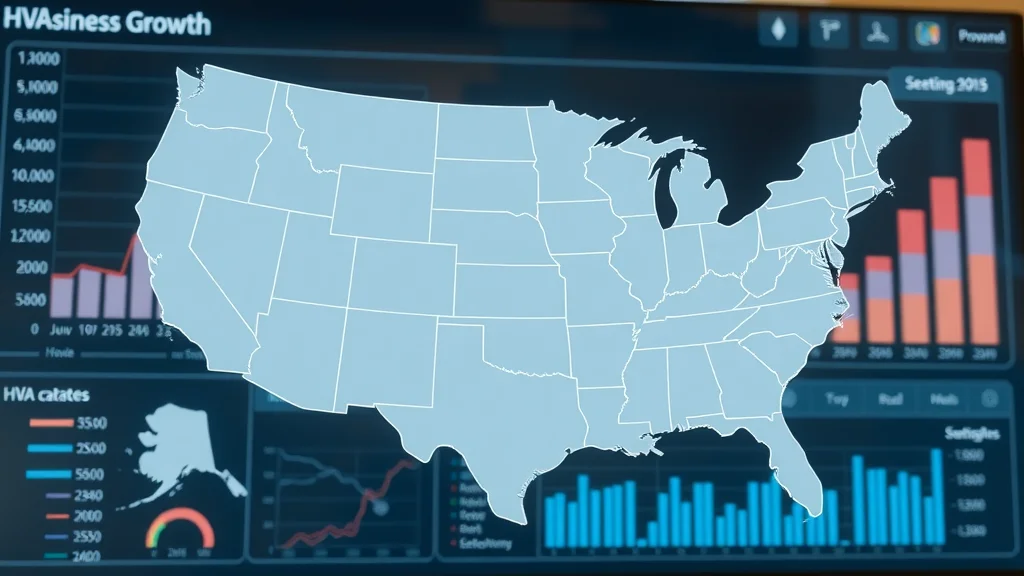
- Staffing shortages and HVAC technician development issues
- Dispatch and hvac system logistics
- Navigating inconsistent regional demand for air conditioning and heating system services
- Facing HVAC financial risk and system overhead in new markets
Across the United States, labor shortages have hit HVAC technicians hard—especially in the Northeast. Even when you’ve got a full bench at home, staffing a new branch with trained, reliable techs is never simple. Recruiting in a new market means competing for the same small pool of experienced workers, driving up wages and training costs. And juggling dispatch routes across broader territories quickly strains even the best scheduling software, especially where geography spreads jobs thin, impacting speed and response times.
Demand for air conditioning systems, heat pumps, and ventilation systems also varies dramatically by region and season. Some areas struggle to keep up with summer call spikes for ac unit repairs and installations, while others see slow winters that can drain cash flow. Add in the extra costs—travel, new tools, duplicate equipment, and regulatory hurdles—and it’s no wonder many expansion plans hit a wall at the city line. Avoiding these pitfalls starts with an honest assessment of your team, your market, and your ability to shoulder risk.
Data: Regional Trends in HVAC Business Growth
| Region | Primary Challenge | Market Trend |
|---|---|---|
| Northeast | Labor shortage | Steady to declining |
| South | Seasonal demand spikes | Growing |
| Midwest | Equipment diversity | Moderate |
| West | High startup costs | Variable |

As this regional snapshot shows, scaling isn’t about applying a single formula nationwide. Each territory brings its own hiring, demand, and hvac equipment supply curve. Recognizing the unique market forces—before committing resources—makes the difference between smart growth and costly lessons.
A Real-World HVAC Expansion Framework: 4 Steps to Sustainable Growth
Step 1: Assess Your HVAC Leadership and Staffing Gaps
- Is your HVAC technician pool deep enough to staff a new branch?
- Do you have mid-managers ready to run remote teams?
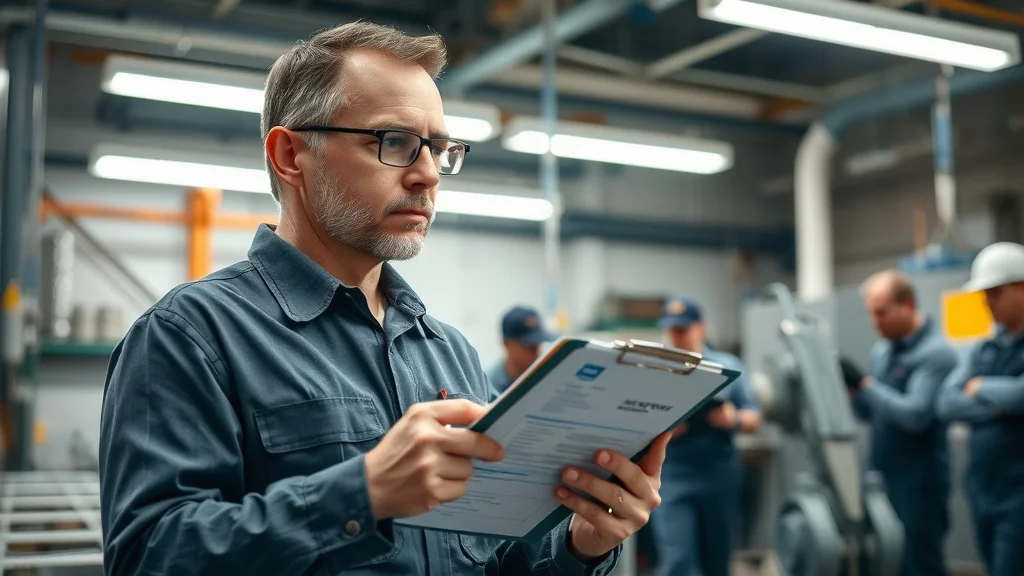
The biggest expansion failures usually trace back to one thing: not enough hvac technicians or leadership in the pipeline. Before you scout new offices or load up another van, ask if your current hvac technician team could keep up. Many successful expansions start by developing up-and-coming foremen or training mid-level managers to run remote operations. Without this human foundation, even the best technology or marketing won’t save you. If your original team is running on fumes, doubling your workload—and travel—can burn them out fast. Invest first in your people, not just in equipment.
A wise service manager who scaled her company to five branches put it straight: “You can’t run two shops with just one great foreman.” Build your leadership bench before even thinking about territory.
Step 2: Vet Expansion Opportunities Using Real HVAC System Data
- Track true HVAC demand — not guesses — for air conditioning and indoor air quality services
- Compare seasonal HVAC system loads and regional air quality trends
Blind expansion is expensive—and risky. Smart operators use precise metrics: how many service calls come from a target region each month, what percentage relate to ac systems, heating system failures, or indoor air quality upgrades. It’s not enough to hear that “neighbors want cool homes.” You need proof: years of call logs, seasonal patterns, and real talk from local businesses about ongoing needs.
Cross-reference peak demands—like summer surges for air conditioners—with staffing, logistics, and inventory. Don’t ignore factors like humidity, regulatory environment, or heating system use in the area. Sites that look promising in July can dry up in December if the data isn’t solid. Long-term growth follows where data shows sustained, year-round hvac system requirements.
Step 3: Pressure-Test Your HVAC Systems and Processes
- Can your dispatch, customer service, and HVAC installation processes support double the jobs?
- Are your HVAC systems and air handlers reliable at larger scale?

Your operations are only as strong as the systems behind them. Before launching a second branch, test your dispatch and scheduling workflows for higher traffic. Can your software, dispatchers, and techs handle double or triple the calls without chaos? How do your hvac installation and maintenance crews perform when jobs ramp up suddenly?
The same applies to physical systems. Is your inventory of parts, air filters, air handler units, and key hvac equipment large and diverse enough to support extra locations? Weak links here will become painfully obvious as call volume spikes, leading to delayed jobs, lost business, and a damaged reputation.
Step 4: Start Small, Review Data, and Grow
- How top-performing HVAC contractors test new markets with small teams
- When to reinvest profits in more equipment, air filters, or cooling systems
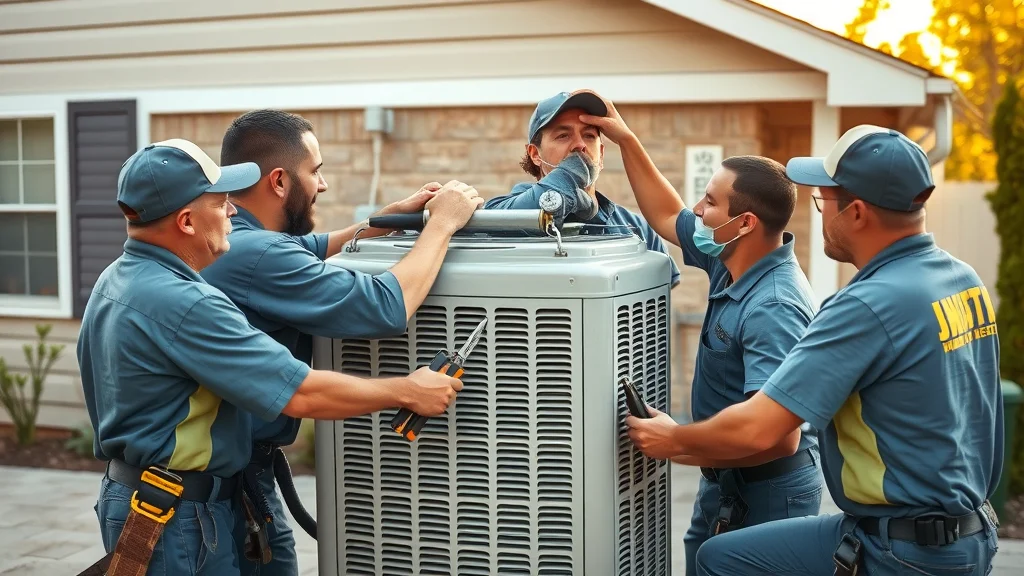
The safest path to multi-branch stability is gradual. Test a new market by sending a small, skilled team—never the whole crew. Track how quickly they book jobs, what equipment is most in demand, and what hiccups occur with dispatch or parts runs. Many owners find large regional differences: one town demands heat pumps, while another favors basic cooling systems.
If the numbers add up, reinvest profits into local hires and more hvac equipment. Careful contractors only scale up after a few seasons of consistent data—not one good month. Growth that’s measured, stepwise, and tied to real results prevents overreach and financial strain. “Many contractors chase opportunity, not stability. Expansion must be built on strong processes first,” said a regional growth consultant.
HVAC Expansion Readiness Checklist
- Do you have an experienced HVAC manager ready to run the new location?
- Have you gathered recent and reliable demand data for HVAC and air conditioning work?
- Will your existing hvac system infrastructure support an increase in call and service volume?
- Are financing and cash flow solid enough for 6+ months of slow growth?
- Are vendor relationships for hvac equipment or air handler parts in place?
- Can you recruit HVAC technicians locally?
With these six questions, you can quickly spot big risks. If you hesitate on any, pause expansion—and focus on shoring up weaknesses before committing resources. A missed item on this readiness list is the cause of most branch failures across the United States.
Inside Stories: Common Pitfalls in Scaling HVAC Operations
“Many contractors chase opportunity, not stability. Expansion has to be built on strong processes first,” a regional growth consultant observed.
- Expanding HVAC operations before building a leadership bench
- Using the wrong hvac system KPIs to measure readiness
- Underestimating regional staffing and technician challenges
- Choosing expansion sites based on hope, not data
“I tried opening a branch three states away before my original team was ready. Biggest mistake I made—cost me a year,” admitted one HVAC business owner.

Real-life expansion failures almost always echo these pitfalls. The most common misstep is overestimating what your team can absorb. Some owners leap at a hot new market, only to find they don’t have the managers or trained techs to staff it, burning cash and morale along the way. Others chase data like “total population” instead of metrics tied to active air conditioning or indoor air quality demand by season.
Regional Realities: What Makes HVAC Expansion Difficult Across the United States
Travel Time and Dispatch in Spread-Out Markets

Rural and suburban expansion is slowed by long drive times. In some areas of the Midwest and West, one technician might cover hundreds of square miles—facing hours lost to the road, and added fuel and vehicle costs. It’s common for jobs to get delayed or dropped if route planning isn’t precise. Consider testing these routes before you launch, and use mapping tech to limit waste.
Dispatch and logistics shouldn’t just scale up—they need to adapt to the unique patterns of each region. One missed appointment or late arrival can damage a reputation, so plan your scheduling, communication, and mapping tools accordingly.
Labor Market Issues: HVAC Technician Shortages and Training in the Northeast
No region feels the pinch of skilled worker shortages like the Northeast. In states from New York to Massachusetts, finding and keeping qualified hvac technicians is increasingly difficult due to retirements, rising competition, and higher standards for indoor air and energy efficiency compliance.
Contractors here report that recruitment and ongoing training have become nearly full-time jobs on their own. Owners should develop in-house apprenticeships, partner with local trade schools, and plan for above-average wage growth if they want to survive and thrive in these markets.
Seasonal Peaks: Balancing Heating System and Air Conditioning System Service Loads
In the South, extreme weather can double or triple service calls for air conditioners in July and August, then quiet down for months. In the North, heating system emergencies dominate from late fall through early spring. If your finances and staff can’t flex with these cycles, cash flow gets tight and customers grow frustrated.
Smart expansion planning means forecasting your peak and slow seasons, prepping inventory, and working with local partners to fill workforce gaps during crunch time.
Regional Equipment Preferences: Heat Pump vs. AC Units vs. Cooling Systems
- Why some regions prefer air conditioners and others heat pumps
- Adapting your HVAC equipment sourcing and inventory

The right gear matters. In the Pacific Northwest, heat pumps reign because of mild winters and efforts to improve energy efficiency. In Texas and Florida, classic ac systems and cooling systems are king. In snowy climates, air handlers and hybrid units matter most.
Contractors who succeed outside their home region stock up on local favorites, build relationships with new parts vendors, and retrain their staff so they’re experts on the equipment the market demands—not just what they’re used to installing.
Building the Right HVAC Team: Leadership and Technician Development
How to Develop Key Staff for Multi-Branch HVAC Operations
Solid leadership is the backbone of every successful expansion. Owners who grow sustainably almost always invest in staff before real estate or vehicles. That means identifying top-performing technicians ready for more responsibility and giving them training, autonomy, and time to learn remote management skills.
Some companies tap experienced techs to launch new offices, pairing them with apprentices or cross-functional crews until the local bench is ready. Regular check-ins, mentorship from headquarters, and clear performance targets ensure new teams stay aligned with company standards and service expectations.
Mentorship, Training, and Retention for HVAC Technicians
“You can’t run two shops with just one great foreman,” said a service manager who scaled her team to five branches.
Retaining skilled hvac technicians gets harder as you grow. High performers may feel pulled in too many directions, risking burnout or departure. In-house mentorship programs, rotations between branches, and steady skills training help keep your best techs engaged and loyal.
Direct investment in learning and advancement also helps you stand out as an employer. Top contractors regularly offer classes on the newest ventilation systems, air filters, or energy efficiency rebates, delivering value to both staff and customers.
Investing in HVAC Systems, Operational Infrastructure, and Indoor Air Quality Upgrades
- When to upgrade your ventilation systems, air filters, and other HVAC system components
- Protecting your service quality as you expand

Solid infrastructure powers growth. As more jobs and calls flow into your business, older dispatch tools and tracking spreadsheets will strain under pressure. Safety, compliance, and indoor air quality upgrades are no longer optional, especially in commercial accounts and states with stricter standards.
Refresh your fleet, update your inventory tracking, and consider smart sensors for monitoring air quality and ventilation systems. Modernizing your operations ensures you can deliver reliable results in every region, on every call—preventing small hiccups from becoming major missteps as your business expands.
People Also Ask
Can HVAC make $100,000 a year?
Yes. Experienced HVAC technicians and business owners regularly report earning $100,000 or more annually, especially in regions with high demand for HVAC system repair, air conditioning installation, and indoor air quality improvements.
What is the $5000 rule for HVAC?
The $5,000 rule is a guideline for deciding whether to repair or replace an HVAC system. Multiply the cost of the repair by the age of the equipment in years; if that number exceeds $5,000, most experts suggest replacing, not repairing, the hvac system.
Is HVAC good for money?
Yes. The HVAC industry can be profitable, offering consistent demand for air conditioning, heating, and air quality solutions. Profitability depends on efficient operations, experienced technicians, and regional market trends.
How much is a HVAC system for a 2000 sq ft house?
A complete HVAC system for a 2,000 square foot home typically ranges from $7,000 to $15,000 or more, depending on the system type (central air conditioner, heat pump, energy efficiency, ventilation systems) and indoor air quality features.
FAQs: HVAC Expansion and Operations
- How long does it take to prepare for HVAC expansion? In most cases, businesses need 6–12 months to prepare fully—enough to develop leadership, analyze data, and ensure systems readiness.
- What are the top three risks when expanding HVAC services to new regions? Leadership shortages, inaccurate demand predictions, and failure to adapt to local labor market or equipment preferences top the list.
- How can HVAC businesses recruit and train technicians in a tight labor market? Build relationships with trade schools, create in-house apprenticeship programs, and focus on retention through ongoing training and professional growth.
- What KPIs are most reliable for expansion decisions? Monthly service call volume per ZIP code, first-time fix rates, staff retention, and average revenue per job are essential metrics to watch before and after opening new locations.
See Real-World Expansion Insights in Action
A short, documentary-style video featuring real-world HVAC business owners discussing their challenges and successes with expansion beyond local markets. Footage includes office meetings, technician training, on-site equipment installs, and time-lapse segments of HVAC vans on the move—ending with expert tips.
Key Takeaways for Your Next HVAC Expansion
- Start with a leadership and technician bench, not just ambition
- Use real hvac system and demand data to select markets
- Expand slowly, review data, and adjust your process
- Tailor your HVAC offerings to regional needs and equipment preferences
- Avoid guessing—follow a practical checklist each step of the way
Practical Roadmap Recap: Sustainable HVAC Growth in the Real World
- Assess staff and leadership readiness
- Gather real regional data before committing resources
- Update HVAC systems and dispatch tools as you scale
- Commit to regular reviews and adapt based on results
Ready to Plan Your Next Step in HVAC? Map Your Own Expansion Using This Guide Today
Bookmark this roadmap, print out the checklist, and use the strategies here to avoid costly missteps as you build your next branch. Sustainable growth isn’t about speed—it’s about planning, data, and your team’s strength. Your expansion success starts with these clear, practical steps.
Conclusion
Scaling your HVAC business is entirely possible—if you start with your team, follow real data, test systems step-by-step, and customize for each region. Use this guide as your field manual for growth you can trust.
Sources
- ACHR News – https://www.achrnews.com/articles/142616-the-labor-shortage-and-how-to-cope-with-it
- Energy Star – https://www.energystar.gov/campaign/heating_cooling
- Contracting Business – https://www.contractingbusiness.com/management/article/21181147/how-to-expand-your-hvac-business-into-new-territories
- Inc. – https://www.inc.com/guides/2010/06/defining-kpis.html
- NREL Report – https://www.nrel.gov/docs/fy20osti/75162.pdf
Expanding your HVAC operations beyond local borders requires strategic planning and informed decision-making. To assist you in this endeavor, consider the following authoritative resources:
-
“How to Expand Your HVAC Business into New Territories”: This article offers practical strategies for HVAC businesses aiming to grow into new markets, emphasizing the importance of market research, operational readiness, and customer relationship management. (acca.org)
-
“How to Increase HVAC Business Value: Proven Strategies for Growth”: This resource provides insights into enhancing your HVAC business’s value through technological upgrades, service diversification, and operational efficiency improvements. (blog.jbwarranties.com)
By leveraging these resources, you can gain valuable insights and strategies to effectively scale your HVAC operations beyond local markets.


Write A Comment