 Add Row
  Add
Add 

Hook: Did you know that global demand for air conditioning and indoor air quality solutions is outpacing technician availability in nearly every region of the United States? As the HVAC market expands rapidly, ambitious growth is no longer enough—success belongs to those who plan, staff, and execute with precision. In this comprehensive guide, you’ll find practical frameworks, real-world operator insights, and straightforward readiness tools that have helped HVAC businesses scale sustainably, even as the industry faces unprecedented pressures on staffing, equipment costs, and regional variability.
Startling Trends in HVAC Expansion: Why Success Requires More Than Ambition
“Expansion doesn’t start with a map,” said one operations director. “It starts with your ability to staff the work.”
- HVAC market growth: The U.S. HVAC industry is projected to surpass $150 billion by 2027, backed by steadily rising residential and commercial investments.
- Air conditioning adoption: Over 90% of U.S. homes now have some form of air conditioning, with strong penetration also seen in new construction and retrofits.
- Indoor air quality awareness: 70% of commercial clients rank air quality upgrades as a top-3 facility improvement priority, helping to drive expansion beyond traditional cooling systems into advanced ventilation system and air filter solutions.

The New Realities Facing HVAC Businesses
- Staffing shortages: Demand for qualified HVAC technicians far outstrips supply, especially those with skills in the latest air conditioning systems and indoor air quality upgrades.
- Rising HVAC equipment costs: Fluctuating prices for heat pumps, cooling systems, air handlers, and related materials squeeze margins and complicate planning for multi-location operations.
- Air quality and efficiency pressure: Today’s clients expect not just comfort, but proof of superior air quality and measurable energy efficiency improvements in every HVAC system.
- Seasonal swings: Peaks in air conditioning installs during hot months, contrasted by winter slowdowns and heating system service surges, create uneven workflows and complicate expansion readiness.
- Changing expectations: Regional regulations, customer preferences, and ever-tighter energy standards force constant adaptation from HVAC professionals at all levels.
What You’ll Learn: A Practical Guide to HVAC Market Expansion
- The hidden pitfalls of rapid HVAC system expansion—and how to avoid them
- How to build a clear, step-by-step HVAC expansion framework that supports long-term growth
- Key readiness questions every operator must answer before adding new locations or services
- Smart insights from experienced HVAC technicians, operations directors, and business owners who have expanded into new markets
- How regional factors in the United States—weather, geography, labor pools—can make or break air conditioning expansion success

Why Scaling an HVAC Business Is Challenging: Industry Insights
“Most owners underestimate just how uneven hvac demand can be,” observed a regional contractor.
Staffing and Training: The Core Expansion Constraint
- Shortages of qualified HVAC technicians and installers are the #1 bottleneck, especially for advanced air conditioning systems and complex indoor air quality solutions.
- Few businesses invest early in a “feeder system”—apprenticeships or internships for grooming future technicians and field leaders.
- Constant technology changes require ongoing training for both new and veteran teams, particularly for heat pumps, air handlers, and energy efficiency upgrades in both heating and cooling systems.
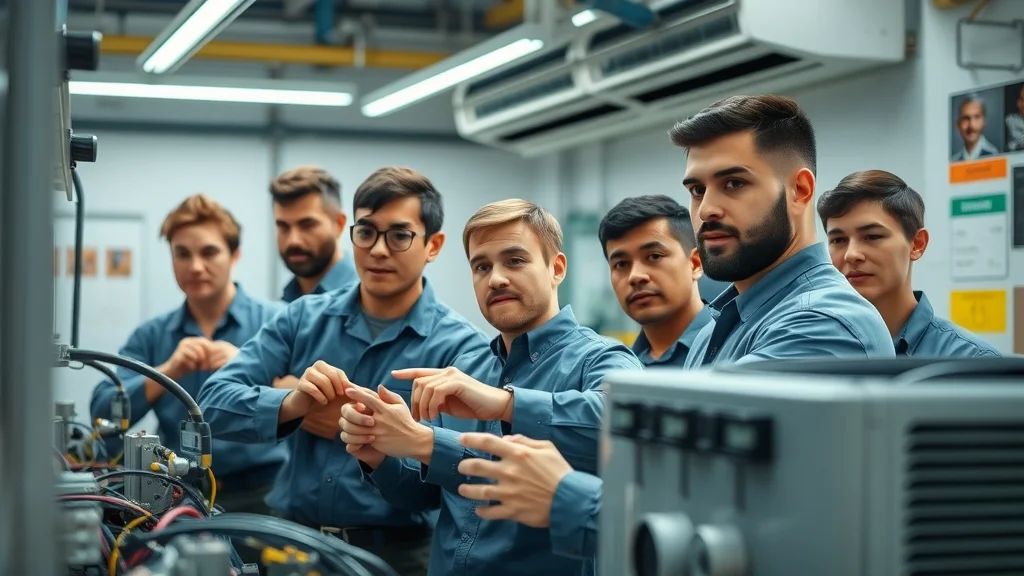
For most expanding HVAC businesses, hiring is an ongoing struggle. An expanded business model is only as strong as its pipeline of skilled technicians, from those who manage delicate indoor air quality retrofits to teams who handle mechanical ventilation and routine ac system installations. Recruiting takes time due to background checks, certifications, and the tangible experience needed to install advanced HVAC equipment. That’s why experienced service managers stress building a long-term feeder system instead of merely hiring in bursts before a new branch launch.
Training needs don’t slow down post-launch. As heating systems and cooling systems evolve with new energy efficiency features and digital controls, your staff must be continually upskilled. Even a top-performing technician one year may need new certifications or refreshers the next—especially as smart thermostats and eco-friendly heat pumps become standard. Reliable, ongoing technician development is the backbone of sustainable expansion.
Seasonality and Market Demand Swings
- Winter slowdowns hit heating systems and many HVAC installation businesses hard, even as demand for repairs and tune-ups persists.
- Summer brings surges in air conditioning installs, indoor air quality service calls, and demand for upgrades to complex ac systems.
- Businesses must navigate unpredictable swings in both air conditioners and ventilation system service demand across different regions.
Seasonality can upend expansion projections. An ambitious summer launch can hide core weaknesses if winter demand collapses—especially in markets relying heavily on air conditioning system or cooling system upgrades. The ability to smooth peaks and valleys in workflow, labor scheduling, and cash flow is a defining trait of successful HVAC expansion operations. Managers must plan inventory, technician training, and marketing in sync with historic regional demand—not just gut instinct.
Off-season slow periods deserve particular attention. Rather than cutting workforce, the most successful operators invest in cross-training, ongoing certification, and building recurring indoor air service agreements. When the next busy season returns, these HVAC teams are not only available—they’re ahead in skill and readiness for any new installation challenge.
Rising Cost Pressures on HVAC Equipment and Operations
- Material price hikes: The costs of essential HVAC equipment—like heat pumps, air handlers, cooling systems—can change rapidly, challenging margins for expanding businesses.
- Logistics and fuel: In the United States, regional fuel price changes directly impact the cost of technician dispatch and part delivery, especially for multi-location or rural operations.
- Operational bottlenecks: Coordinating inventory, back-office processes, and maintenance across multiple HVAC system sites magnifies small inefficiencies into profit-eroding bottlenecks.
| Region | HVAC System Cost Range | Technician Wages (Avg.) | Air Handler Cost | Air Filter | Air Conditioner Unit | Operational Expenses |
|---|---|---|---|---|---|---|
| Northeast | $8,500–$14,000 | $32–$42/hr | $1,200–$2,000 | $50–$150 | $3,500–$6,000 | High (seasonal), heating system focus |
| South/West | $7,000–$13,000 | $28–$38/hr | $1,000–$1,800 | $40–$120 | $3,000–$5,500 | Variable, cooling system focus |
| Midwest | $7,500–$12,500 | $30–$40/hr | $1,100–$1,900 | $45–$135 | $3,200–$5,700 | Balanced (multi-use systems) |
A Field-Tested HVAC Expansion Framework: 5 Simple Steps
“Structured expansion is about repeatable process, not just geography,” said a former hvac service manager.
Step 1: Define HVAC Market Opportunity and Demand Data
- Use real demand data for air conditioning, heat pumps, indoor air quality, and other services—not just anecdotal statements or assumptions.
- Check regional trends: adoption rates for HVAC systems, cooling system upgrades, and any new energy efficiency or air filter requirements.
Start by gathering hard numbers—current service volumes, heat pump upgrades, and requests for advanced indoor air solutions—broken out by season, customer segment, and geography. Reliable demand analysis prevents overextending staff during quiet periods and avoids overspending on inventory for unverified hotspots. Don’t just trust word-of-mouth or industry rumors: use your CRM, technician schedules, and supplier reports to verify market readiness.
Next, review adoption trends for air conditioning retrofits, cooling system upgrades, and indoor air quality features. Markets with steep increases often reward disciplined expansion, but only when you validate customer willingness to pay for advanced systems and ongoing service contracts. Respect the data—it’s your best shield against costly overreach.
Step 2: Assess Internal HVAC System Readiness
- Evaluate if your HVAC installation teams and field managers can support new sites while maintaining service quality.
- Identify if you have a proven “ready now” manager who can launch a branch with minimal supervision.
- Audit gaps: leadership pipeline, specialist knowledge of modern air handlers, cooling systems, or local compliance complexities.
Even in hot markets, expansion stumbles when leadership depth fails. Your second or third location demands a manager who can interpret HVAC system strategy, manage field hiring, and troubleshoot operations without daily HQ intervention. Before launching, review performance reviews, readiness checklists, and recent turnover rates to pinpoint bottlenecks.
Also, assess gaps in cooling system, air handler installation, and customer support for new energy efficiency technologies. Strong knowledge management prevents errors and boosts credibility—an absolute must when working with commercial clients or advanced indoor air quality settings that require ongoing technical support.
Step 3: Build a Leadership and Staffing Pipeline
- Develop an apprenticeship/feeder program for future HVAC technicians—don’t wait until the need is urgent.
- Cross-train teams across heating system and air conditioning units to ensure year-round flexibility.
- Identify and develop new field managers and equipment specialists capable of supporting multi-location operations.

Your best-performing field technician today can become your next successful branch manager, but only if you intentionally coach, mentor, and support that progression. The most sustainable HVAC companies invest in formal and informal leadership development, assigning stretch projects, peer coaching, and periodic performance reviews that focus on readiness for new responsibilities.
Cross-functional training—teaching air conditioning installers heating system principles, for instance—has added value. Not only does it bridge seasonal slow spells, but it also makes teams more adaptable to market swings and staff outages, creating greater operational resiliency as you expand.
Step 4: Precise HVAC System Deployment and Logistics Planning
- Account for regional weather, access to parts (especially air filters, air handlers, and cooling systems), and the impact of supply chain fluctuations.
- Optimize vehicle routes and delivery schedules—rural United States sites may require different tactics compared to suburban demand centers.
Once you’ve defined your team, layout, and marketing plan, move to the nuts and bolts: How will you deliver parts, stage HVAC equipment, and handle service calls? Map travel times, depot stocking points, and access to distributor support for all HVAC system components—not just flagship air conditioners. Coverage plans should ensure fast problem-solving, not just cost savings.
Don’t underestimate last-mile delivery and technician dispatch time, particularly for larger service radii in rural areas. Build routing algorithms or use GPS tracking to optimize technician schedules, minimize windshield time, and reduce the burden of rising fuel prices and overtime costs. Your goal: fast, reliable response and efficient use of every staff hour.
Step 5: Launch, Monitor, and Iterate Your Expansion
- Set and track clear KPIs: HVAC installation pace, revenue per technician, total indoor air quality calls, and repeat service contracts.
- Solicit regular feedback from field teams, dispatchers, and clients, then adjust quickly based on early signals—don’t wait for problems to snowball.
- Compare new and legacy branch performance for both air conditioning and ventilation system lines, identifying what works and where improvement is needed.
Expansion is as much about disciplined monitoring and fast recalibration as it is about bold market entry. Install a simple feedback loop—weekly reviews, transparent dashboards, and direct technician input—so issues are surfaced and solved quickly. Resist the temptation to measure success solely by top-line revenue. Technician turnover rates, callout reliability, and customer satisfaction are just as critical for long-term sustainable growth.
Continuous iteration—learning from each branch’s real-world outcomes—refines your next expansion. No template is one-size-fits-all; adapt for region, team, and shifting market conditions. That’s the essence of a repeatable, reliable HVAC market expansion framework.
Essential HVAC Expansion Readiness Checklist
- Can current leadership handle another HVAC location without sacrificing quality?
- Is at least one field manager “ready now” to run a fresh branch with light oversight?
- Is there real data (not bias) proving steady HVAC demand and indoor air quality needs in your target region?
- Are your dispatch, equipment delivery, and air handler logistics robust for multi-site scale?
- Do you have an actionable plan to recruit, train, and retain HVAC technicians as you grow?

Expert Commentary: Why HVAC Expansion Fails (and When Not to Expand)
“Too often, growth is mapped out faster than staff can be found or trained,” noted an industry analyst.
Common Pitfalls That Derail HVAC Growth Plans
- Underestimating the importance of a strong leadership pipeline when managing multiple hvac system locations
- Inadequate or incomplete demand data for advanced indoor air quality and ventilation systems, leading to overextension
- Expanding into unfamiliar geographies or failing to ensure robust cooling system logistics, especially in the United States’ diverse regional markets
The story is familiar: a promising market, enthusiastic investment, but a lack of field-ready leaders or technical staff. Leadership is the most common breaking point. As you add locations, accountability and coaching cannot come from headquarters alone—a trusted on-site leader must be present from day one. Second, never mistake broad HVAC demand for specific readiness for your particular mix of indoor air quality, energy efficiency, or advanced cooling system services. Every misread slows growth and burns resources.
Finally, regional expansion without first solving logistics, inventory access, and service dispatch almost always disappoints. The challenges of serving a remote or rural site—fuel costs, travel time, spare part delays—are drastically different than those of a densely packed suburb or city. Smart HVAC operators expand only when the groundwork is solid, not on the promise of quick wins.
Signs It’s Smarter Not to Expand Yet
- Your leadership pipeline has no depth—no one ready to step in or scale service
- Reliable demand for new air conditioning, heating systems, or indoor air quality products is shaky or missing
- HVAC equipment vendors are unstable, or sudden price spikes put your margins at risk

It’s better to delay expansion—and protect your reputation—if you can’t answer the readiness checklist confidently. Red flags include high management turnover, lagging product support from manufacturers, or inconsistent demand signals despite strong regional growth. In these cases, resolve core issues first. Real-world expansion is not a race, but a marathon paced by long-term readiness.
Regional Differences: Adapting HVAC Expansion to Local Realities
“A rural branch manager faces different travel and staffing headaches than their suburban peers,” explained a service manager.
Weather, Geography, and Demand Variations
- Northeast: Marked by wild seasonal swings: dominant heating systems, robust winter demand, and growing off-season air conditioning and air quality upgrades
- South & West: Year-round air conditioning, cooling systems, and advanced ventilation drive demand; less swing, but more frequent summer peak overloads
- Urban vs. Rural: Urban areas favor rapid emergency response and advanced indoor air solutions, while rural operations wrestle with wide service areas, slower logistics, and more complex technician dispatch
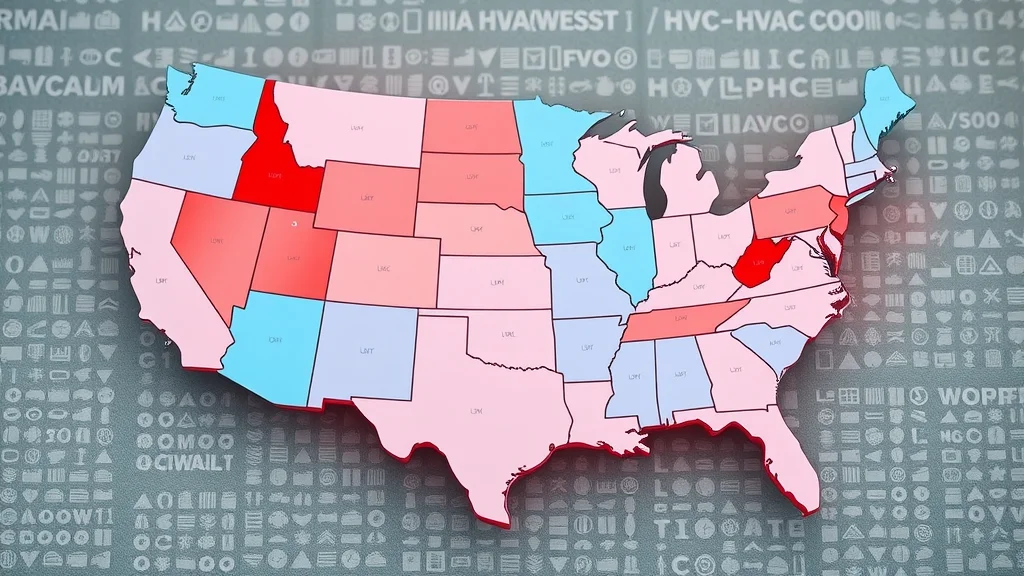
Your HVAC market expansion framework must suit the region. In the Northeast, off-season planning and heating specialization provide stability. The South and West tilt toward high-capacity cooling systems and ever-tightening indoor air regulations, especially as states raise energy efficiency standards. Urban operators must win on speed and advanced solutions, while rural leaders must master logistics, regional relationships, and creative scheduling to keep technician travel practical.
Travel Time, Dispatch, and Service Area Implications
- Service radius can dictate air conditioning customer satisfaction, as travel delays drive up costs and erode loyalty
- Use routing tech to minimize windshield time and maximize first-time fix rates for HVAC technicians
- Smart dispatch and real-time service tracking are essential as you scale, particularly for air conditioner installations and urgent indoor air quality calls
In expansion, managing technician travel and dispatch is often where margins are won or lost. Ensure your systems enable real-time schedule adjustments, pre-route inventory drops, and on-the-fly technician deployment—especially in dynamic regions or as you add locations miles apart. Automation saves costs and improves both technician and client satisfaction.
Image Gallery: Real-World HVAC Expansion in Action
- Photo: Team of hvac technicians installing air conditioning units in a suburban branch
- Photo: Senior hvac operations director reviewing staff scheduling charts
- Photo: Rural hvac truck fleet preparing for winter heating system run
- Photo: Modern control room monitoring indoor air quality across multiple sites
Video Case Study: Scaling a Regional HVAC Operation
- Video walkthrough: Inside a newly opened hvac branch (staffing footage, air conditioning installations, leadership interviews)
People Also Ask: Common HVAC Expansion Questions
Can HVAC make $100,000 a year?
- Answer: Experienced hvac technicians and senior field managers can reach six-figure incomes, particularly in high-demand regions or when specializing in complex systems such as advanced air quality or energy efficiency retrofits.
What is the $5000 rule for HVAC?
- Answer: The $5000 rule helps homeowners decide on repairing versus replacing an hvac system: Multiply the system’s age by the estimated repair cost; if the total exceeds $5,000, replacement is usually recommended.
Is HVAC good for money?
- Answer: The hvac industry offers strong profit potential, reliable year-round demand (especially for air conditioning, heating systems, and indoor air quality), and is less susceptible to automation than many trades.
How much is a HVAC system for a 2000 sq ft house?
- Answer: Installing a complete hvac system for a 2,000-square-foot home in the United States typically ranges from $7,000 to $15,000, depending on equipment (air handler, air conditioner, heat pump), regional labor rates, and any upgraded indoor air quality features.
Video Deep Dive: Real Operator Advice for Scaling HVAC Systems
- Video interview compilation: Senior hvac technicians and service managers share tips on smart scaling, leadership development, and regional pitfalls
FAQs About Sustainable HVAC Business Expansion
-
How do I know if my HVAC business is ready to add a new location?
Answer: Assess leadership depth, technician pipeline, historical demand data, and robust logistics for equipment, dispatch, and training. If any are lacking, address gaps before moving forward. -
What mistakes should new HVAC operators avoid during their first expansion?
Answer: Avoid underestimating staffing requirements, expanding without regional demand data, or skipping investments in cross-training and local leadership development. -
How important is technician retention versus recruitment during scaling?
Answer: Both matter, but retention is critical—losing experienced HVAC technicians during expansion can undermine service quality and slow new location growth. -
What systems are needed to support rapid HVAC equipment installation growth?
Answer: Effective dispatch/route planning, inventory tracking for air handlers and filters, and real-time client service reporting are essential for smooth expansion. -
Do most successful expansions focus on residential, commercial, or mixed-use HVAC markets?
Answer: Mixed-use strategies often offer year-round stability, but success depends on the operator’s capabilities, local demand, and existing technician expertise.
Summary and Next Steps for HVAC Leaders
- HVAC expansion takes structured process, realistic staffing, and hard-won leadership skills—not just opportunity or ambition.
- Every step should be guided by real demand data, readiness checklists, and a focus on sustainable technician development.
- For those prepared, thoughtful expansion offers a path to resilient, long-term business growth.
- Bookmark this guide for reference during expansion planning or staff training sessions.
Sources:
ACHR News – https://www.achrnews.com/articles/146679-hvac-market-outlook-2024
U.S. Dept of Energy – https://www.energy.gov/eere/buildings/articles/us-department-energy-advances-indoor-air-quality
Bureau of Labor Statistics – https://www.bls.gov/ooh/installation-maintenance-and-repair/heating-air-conditioning-and-refrigeration-mechanics-and-installers.htm
International Energy Agency – https://www.iea.org/reports/the-future-of-cooling
The HVAC industry is experiencing significant transformations, with a strong emphasis on energy efficiency and sustainability. The U.S. Department of Energy has implemented new standards, effective January 2025, requiring increased Seasonal Energy Efficiency Ratio (SEER) ratings for residential heating and cooling systems. This change reflects a broader trend towards adopting eco-friendly refrigerants and energy-efficient technologies. (scottmax.com)
Additionally, the market is witnessing a shift towards smart HVAC systems integrated with IoT and AI technologies. These advancements enable real-time monitoring and predictive maintenance, leading to enhanced operational efficiency and reduced energy consumption. For instance, Johnson Controls’ OpenBlue platform integrates occupancy data, grid signals, and weather feeds to deliver additional energy savings by continuously refining set-points in real time. (mordorintelligence.com)
Furthermore, the adoption of low-global-warming-potential (GWP) refrigerants is gaining momentum. Starting January 1, 2025, all new residential air conditioners and heat pumps in the United States are required to use A2L refrigerants, such as R-454B and R-32, which have a lower GWP compared to current refrigerants like R-410A. This transition is part of the American Innovation and Manufacturing (AIM) Act of 2020, aiming to reduce the environmental impact of HVAC systems. (workyard.com)
These developments underscore the importance of staying informed about industry trends and regulatory changes to ensure sustainable growth in the evolving HVAC market.


Write A Comment