 Add Row
  Add
Add 

Did you know the HVAC industry in the United States is worth over $240 billion and is projected to keep growing into 2024? Whether you’re a seasoned HVAC technician or just entering the heating and cooling arena, achieving real business growth requires more than technical skill—it demands savvy marketing strategies that engage digitally-wise homeowners and business clients alike. In this guide, you’ll discover actionable tactics and proven methods to transform your HVAC marketing, convert more leads, and capture your slice of this booming market.

An Unconventional Fact: The Explosive Growth of HVAC in the United States
Understanding the $240 Billion Value of the HVAC Industry
In recent years, the HVAC industry in the United States has exploded, soaring to a staggering valuation exceeding $240 billion in 2024. This phenomenal growth is fueled by increased demand for energy-efficient HVAC systems, regulatory pushes for greener technology, and a nationwide focus on healthier homes and workplaces. From bustling urban centers to small towns, companies investing in modern hvac system installations and advanced indoor air quality solutions are reaping substantial financial rewards. As home and business owners upgrade old units and prioritize air conditioning and air purification for both comfort and safety, the opportunities for HVAC businesses have never been greater. For contractors and technicians, mastering strategic marketing is the surest way to ride this lucrative wave.
The transformation of the hvac market also reflects consumer trends in sustainable building and smart technology, making HVAC marketing a game of keeping up with both competition and innovation. As new housing developments rise and commercial remodels spike, the call for efficient heating systems and responsive service intensifies. Companies that learn to differentiate their heating and cooling services while meeting modern demands will stand out in a crowded playing field. It’s not just about technical expertise anymore; it’s about visibility, reputation, and brand differentiation.
How Air Conditioning Became Essential for Comfort and Air Quality
Once considered a luxury, air conditioning has evolved into an indispensable system for interior spaces across the U.S. The adoption of ac units and advanced indoor air technologies is closely tied to new public health concerns and the need for consistent air quality year-round. As people spend more time indoors, the push for robust ventilation systems, high-performance air filters, and efficient air handlers has surged. In fact, modern consumers are often more interested in the positive impact on air quality than just temperature control, driving a rebranding of many HVAC businesses as “comfort and health” providers.
The modern air conditioning system offers improved filtration, energy efficiency, and even smart home integrations, making it a central selling point in residential and commercial HVAC marketing. Businesses that highlight their ability to install and maintain systems that contribute to cleaner, healthier air are now winning the attention—and loyalty—of savvy customers. These trends demand innovative positioning, emphasizing not just comfort but comprehensive air quality solutions in every promotional campaign.

What You'll Learn About HVAC Marketing Strategies
- Overview of HVAC industry trends and opportunities
- Digital and traditional marketing techniques tailored for hvac businesses
- Lead generation, conversion, and customer retention methods using air conditioning and indoor air quality as service hooks
- Expert insights on optimizing your hvac system marketing investments
The State of HVAC: Current Market Trends and Consumer Insights
Key Data on HVAC Systems, Heat Pumps, and Air Quality Awareness
The 2024 HVAC landscape is shaped by data showing increasing installations of hvac systems, enhanced preference for heat pumps, and a rising tide of consumer awareness about air quality. The U.S. Department of Energy reports that nearly 90% of American households now have some form of air conditioning or heating system. Awareness surrounding indoor air quality is also driving a significant portion of service calls and product inquiries. Whether upgrading old ac systems, seeking greener solutions, or adding smart air handlers, customers crave both comfort and healthier living spaces.
To tap into these consumer insights, HVAC marketers need to focus on the features and benefits that resonate most with today's homeowners and facility managers. Highlighting energy efficiency, cost savings, and innovations like programmable thermostats or superior air filters can set your business apart. This data-driven approach enables more targeted messaging, ensuring your offers and campaigns hit home with prospects actively searching for HVAC solutions that improve both comfort and air quality.
Why Indoor Air Quality Drives Modern HVAC Marketing
“Indoor air quality has never been more crucial—today's homeowners demand more than just cooling and heating; they expect complete, healthy environments.” As health-conscious consumers become more informed, HVAC marketing strategies must pivot to spotlight technologies and services that promise not just temperature regulation but also filtration, purification, and allergen reduction. Smart ventilation systems and advanced air filtration upgrades are quickly becoming standard upsells in new installs and retrofits. Businesses that address air quality anxieties, educate the public, and guarantee measurable improvements will win trust and foster long-term customer relationships.
Modern air conditioning and heating systems are now evaluated based on their impact on overall well-being, not just comfort or energy bills. This shift means service menus must include comprehensive indoor air quality audits, solutions for allergy sufferers, and technologies that battle airborne contaminants. Effective marketing tells this story—showing that your HVAC business is committed to safeguarding homes and families, not just keeping temperatures in check.

Foundations of Effective HVAC Marketing
Identifying Your HVAC Audience and Their Needs
To build a robust HVAC marketing strategy, it’s crucial to first understand your target audience. Homeowners looking for ac unit upgrades have different priorities than facility managers needing hvac system retrofits or maintenance. Proper segmentation—residential versus commercial, energy efficiency seekers, or indoor air quality enthusiasts—empowers you to tailor your messaging and solutions. When you pinpoint the core needs of each group, your business can develop conditioning system offers that directly address pain points, such as high utility costs, seasonal allergies, or unreliable systems.
Beyond basic demographics, savvy HVAC marketers analyze customer behaviors, such as frequency of maintenance requests, interest in smart home integration, or desire for greener technologies. Understanding these motivations helps you position your air conditioning, heating system, and air quality services as indispensable solutions—not just add-ons. This strategic personalization fosters loyalty, drives referrals, and maximizes the lifetime value of each customer segment.
Differentiating Services: Air Conditioning, Heating Systems, and Air Quality Solutions
In such a competitive market, standing out means showing clearly what makes your HVAC offering unique. Do you provide rapid emergency repairs for ac systems? Are your heat pumps the most energy-efficient in town? Or does your team excel at improving indoor air quality for families or allergy-sensitive workplaces? Mapping out your distinctive strengths—for example, through branded hvac installation packages, specialty care for specific brands of air conditioners, or certified expertise in advanced air filtration—can be the game-changer.
Highlighting your expertise in trending solutions, such as ductless mini splits, energy recovery ventilation system installs, or innovative air filter maintenance plans, immediately communicates value. Service differentiation goes beyond feature lists: it’s about clearly relating benefits to problems your ideal customers care about, such as “breathe easier with our hospital-grade filtration upgrades” or “cut cooling costs by 40% with variable-speed cooling systems.”
- Understanding hvac system service preferences
- Segmenting customers: residential vs. commercial HVAC
- Analyzing energy efficiency and indoor air improvement trends

Digital Dominance: HVAC Marketing Strategies Online
Optimizing Your HVAC Website for Lead Generation
Your website is often the first touchpoint for new hvac customers—and it needs to work as a conversion machine. Make navigational paths clear and optimize every landing page for action, whether that’s scheduling a hvac installation, requesting a heat pump estimate, or booking a seasonal service. Prominent, simple contact forms, online booking solutions, and compelling calls-to-action mean more of your web visitors become new leads.
Don’t neglect mobile responsiveness; over half of web searches for “air conditioning repair,” “ac unit install,” or “indoor air quality service” come from phones or tablets. Fast-loading pages, clickable phone numbers, and integration with Google Maps build trust and minimize friction. Craft homepage copy and service pages that answer the most common questions about HVAC, energy efficiency, and air quality solutions, drawing customers down the sales funnel with minimal distractions.
Leveraging SEO: Ranking HVAC, Air Conditioning, and Indoor Air Services
Rising to the top of local search results is mission-critical for HVAC businesses. Start by developing keyword-rich, helpful content that addresses all facets of hvac systems, air conditioners, heat pumps, and related services. Build authority through educational blog posts, explainer guides, and FAQs covering maintenance, air filter changes, energy savings, and common troubleshooting. Partner with reputable industry sources and seek backlinks from home improvement or local business directories for added SEO power.
Use structured data markup to help Google understand your services—such as ac installation, indoor air quality audits, or heating system repairs. Optimize title tags, meta descriptions, and image alt text for your main hvac keywords but keep it natural and user-first. Regularly update your website with seasonal tips, limited-time offers, and case studies, signaling to search engines (and customers) that your site is relevant and active.
Local SEO Tactics for HVAC Technicians and Installers
Dominate your service area by mastering local SEO. Claim and optimize your Google My Business profile: complete every field, include photos of ac systems and satisfied customers, and keep business hours and services current. Encourage customers to leave reviews mentioning your “air handler installation” or “heat pump tune-up” to boost local rankings. Build local citations—consistent mentions of your business name, address, and phone—across virtual directories and local listing services.
Participate in local community forums and sponsor neighborhood events, leveraging backlinks and local media coverage. Ensure your website includes location pages targeting specific towns or neighborhoods you serve, each optimized for “hvac repair in [city],” “best ac unit installer near me,” or “indoor air quality services [town].” These focused strategies drive organic traffic from the exact audience most likely to convert.
- Google My Business secrets for hvac systems
- Local citation building for conditioning systems and ac units
- Generating reviews for heat pump and air handler installations
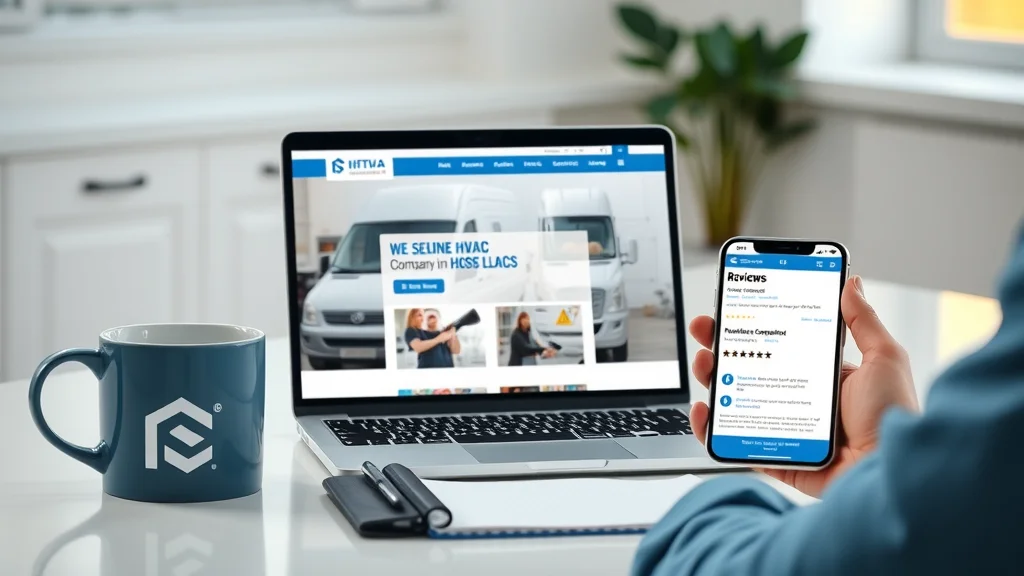
Content Marketing for HVAC: Educate and Convert
Blog Topics: Energy Efficiency, HVAC Installation, and Air Quality Innovations
Blogs remain a potent way for HVAC businesses to educate, inform, and persuade prospects. Posts covering “how to maintain your ac system,” “signs it’s time for a new air conditioner,” or “easy ways to improve indoor air quality” showcase your expertise. Dive deep into new tech—like smart thermostats, ductless mini splits, or HEPA air filters—and provide step-by-step guides for home or office maintenance to position your brand as a trusted resource.
The best-performing content answers real customer questions (“Do heat pumps work in cold climates?” or “How often should I replace my air filter?”) while subtly highlighting the benefits of choosing your services. Use data, case studies, and visuals to break down complex topics, making your site the go-to destination for both learning and booking.
Educational Videos for HVAC Systems and Indoor Air Quality
Video content is a game changer for conversion rates and repeat site visits. Walkthroughs on tasks like “checking your air conditioning system” or “cleaning your air handler” help demystify maintenance and show your team’s professional touch. Short explainers about “What happens during a heat pump tune-up?” or “How does better ventilation raise indoor air quality?” make shareable, compelling assets for both your website and social media feeds.
“Visual content can double onsite engagement when promoting air conditioning systems and heat pumps.” Feature your actual technicians, branded vehicles, or happy customers (with permission) to add authenticity and build trust. Over time, these well-produced assets boost search rankings, increase bookings, and generate organic social shares.

Paid Advertising: Boosting HVAC Leads
Best PPC Practices for HVAC Services
PPC (pay-per-click) advertising is a reliable method of attracting qualified HVAC leads quickly. Use Google Ads to target searchers for “hvac installation near me,” “emergency ac unit repair,” or “indoor air quality testing.” Make sure your ad copy stands out with direct offers (e.g., free consultation, $50 off first service) and showcases service expertise, responsiveness, and customer satisfaction. Landing pages should mirror the ad’s promise, minimize distractions, and feature trust signals—like certifications and testimonials.
Continually monitor campaigns, refine keywords, and use ad extensions (location, callouts) for maximum relevance. Track which ads deliver the lowest cost per lead and adjust bids for peak seasons, when searches for air conditioning or heating system repairs spike.
Retargeting Ads for Air Conditioning, Heat Pumps, and Indoor Air Quality Services
Not all web visitors convert on the first visit—but retargeting helps bring them back. Display retargeting ads to website browsers who checked out your air conditioner packages, heat pump options, or indoor air quality services. Use compelling reminders—such as booked-out deals or limited-time seasonal offers—to nudge prospects into action. Retargeting is especially powerful for high-ticket items like full hvac system installations, as it builds familiarity and trust over multiple impressions.
Combine search, display, and social ad retargeting to keep your brand visible wherever your local audience spends time online. A/B test ad creative to see if photos of your branded staff, customer reviews, or detailed service descriptions perform best. A cross-platform approach maximizes your marketing investment and accelerates lead generation.
| Ad Platform | Sample Campaign | Typical CTR |
|---|---|---|
| Google Ads | 'HVAC Installation Near Me' | 5-7% |
| 'Upgrade Your Air Conditioning' | 3.5-4.1% |
Social Media Strategies to Build Your HVAC Brand
Best Platforms for HVAC Technicians and Marketing Teams
For HVAC professionals, social media isn’t just about promotion—it’s about community engagement and brand credibility. Facebook and Instagram are excellent for sharing before-and-after shots, running contests, and building a local following. LinkedIn is ideal for B2B networking with building managers, realtors, and property developers, while YouTube is perfect for how-to guides and educational content on heating and cooling maintenance.
Facebook advertising tools also enable laser-focused targeting (by location, interest, homeowner status), helping you reach the right audience affordably. Don’t forget local community groups—offering value and answering routine HVAC or air quality questions cements your reputation as a go-to specialist in the neighborhood.
Content Ideas: HVAC System Tips and Indoor Air Quality Myths
Fresh, engaging content keeps your brand top-of-mind. Post customer testimonials for recent air conditioner installs, educational infographics on energy efficiency, maintenance tips, and address common misconceptions (like “Do heat pumps really save energy?”). Go behind the scenes with your team during a challenging hvac installation or feature “Day in the Life” stories from your best hvac technicians to highlight professionalism and relatability.
Interactive content—such as quick quizzes on ventilation systems or short video explainers about central air—encourages shares and discussion. Stay active, respond to inquiries quickly, and spotlight your community involvement to amplify both reach and trust.
- Customer testimonials for air conditioner installs
- Educational graphics on energy efficiency
- Behind-the-scenes of an hvac installation
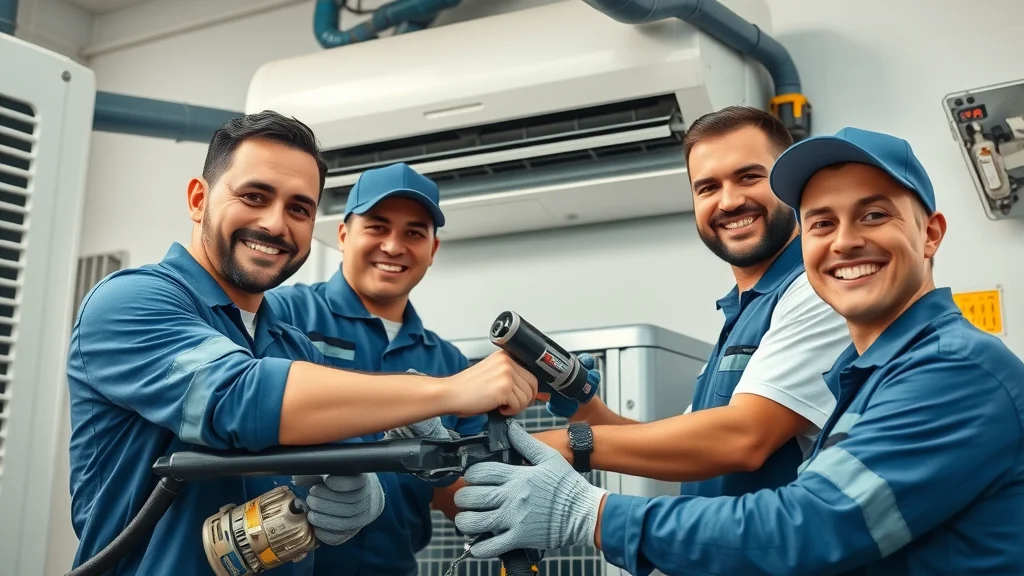
Reputation Management and Online Reviews in HVAC
Responding to Feedback: Building Trust for HVAC Systems
Online reviews are pivotal in the HVAC decision-making process. Every customer testimonial—positive or negative—becomes a trust signal for future prospects. Respond quickly and professionally to all feedback, acknowledging issues and sharing how you’ve resolved them. Personal, genuine replies (mentioning the specific hvac system or service, like an air handler repair or heat pump install) reinforce transparency and commitment.
Encourage satisfied customers to detail their experience with your air conditioning services, maintenance programs, or indoor air quality assessments. Regularly monitor and engage with reviews on Google, Facebook, Yelp, and industry platforms, addressing questions or clarifications publicly to demonstrate reliability. This proactive approach builds lasting trust and sets your HVAC company apart from competitors who go silent after the job is done.
Showcasing Air Conditioning and Indoor Air Quality Success Stories
Nothing convinces prospects like real-life transformations. Feature case studies or video testimonials spotlighting challenging cooling system installations, major energy cost reductions, or dramatically improved indoor air quality in high-pollution urban areas. Anchor these stories around customer goals—healthier kids, reduced asthma attacks, or boosted business productivity—and link the results directly to your team’s expertise and solutions.
Highlight metrics (like air quality readings before and after a ventilation system upgrade) to add tangible proof. Include before-and-after photos, customer quotes, and data from satisfied clients, creating a ripple effect for referrals and shareability in your online and offline promotions.
"A single positive review on a ventilation system install can drive hundreds of referrals."
Email and SMS: Direct Customer Engagement for HVAC Businesses
Crafting Offers: AC Tune-Ups, Air Filter Changes, and Heat Pump Maintenance
Email and SMS campaigns are still among the highest-ROI marketing tools for HVAC. Use targeted email blasts to remind past customers about seasonal ac tune-ups, air filter replacements, or the importance of scheduling routine heat pump maintenance appointments. Personalize your messages using customer name, system age, or last service date to increase relevance and open rates. Include limited-time offers (“$25 off your spring tune-up!”) and clear calls-to-action for booking online or calling now.
Segment your contact list by system type—send air conditioner specials in summer and heating system upgrades in fall. Don’t forget to provide educational snippets on the benefits of ongoing hvac system care and energy savings. This fosters customer loyalty, minimizes lapses in maintenance, and keeps your brand front and center for future service calls.
Automation Tools for HVAC Customer Follow-Up
Save time and maximize customer touchpoints with automation tools specifically tailored for HVAC. Set up scheduled reminders for service anniversaries, prompt follow-up sequences after repairs, or deliver “how to” tips for newly installed air handlers or cooling systems. Integrations with CRM systems streamline appointment-setting and track lead responses, allowing you to analyze which offers drive the most engagement.
Leverage SMS for urgent reminders or last-minute appointment slots, and use email auto-responders for seasonal promotions or satisfaction surveys. Automation doesn’t just increase conversions—it provides a consistent, proactive experience that reaffirms your company’s professionalism and reliability.

Traditional Marketing: Maximizing Local HVAC Visibility
Direct Mail and Print Ads for HVAC Services
Despite digital dominance, direct mail and print ads still deliver for local HVAC businesses. Postcard campaigns targeting neighborhoods in need of air conditioning upgrades, flyers for HVAC check-ups, or coupons for heating system maintenance stand out in the mailbox. Combine print with digital landing pages—like QR codes that link to your online booking or “refer a friend” specials—to bridge the online-offline gap.
Local newspaper, magazine, or community newsletter advertorials promote awareness and reinforce your reputation as the area’s go-to hvac technician. Repetition and professional design build brand recognition so that, when an urgent need arises, your business is top-of-mind.
Networking with Homebuilders and Property Managers
Face-to-face connections are incredibly valuable in the HVAC industry. Attend local networking events, join homebuilder associations, or partner with property management firms to present your business as a preferred service provider for new construction and refurbishment. Highlight your ability to deliver energy efficiency upgrades, indoor air quality packages, and post-install support for both single-family and multi-unit properties.
Consistently network with allied trades—plumbers, electricians, and energy consultants—to cross-promote services, share referrals, and bundle offerings for builders or commercial managers seeking one-stop solutions.
- Local sponsorships emphasizing indoor air quality
- Trade shows featuring latest conditioning systems
- Partnerships with energy efficiency consultants

Partnerships, Referral Programs, and Community Outreach in HVAC
Cross-Marketing with Related Trades: Plumbers, Electricians, and HVAC Technicians
Collaboration is the secret weapon in scaling your hvac marketing results. Cross-marketing with complementary trades—like plumbing, electrical, pest control, or insulation specialists—expands your reach, fills seasonal demand gaps, and provides a full-service solution for property owners. Co-branded campaigns (both print and digital) let you split costs while tapping into each other’s customer bases, especially for bundled “home health” packages or full remodeling projects.
Build relationships with other hvac technicians and industry peers who may refer overflow work. Consider lead-sharing agreements, bundled discounts, or joint promotional events to multiply your pipeline with minimal additional investment.
Running Referral and Loyalty Programs for HVAC Customers
Referrals are gold in the HVAC business. Launch customer loyalty programs that reward repeat clients with discounts on ac unit tune-ups, priority scheduling, or special perks for referring friends and neighbors. Make the process simple—provide shareable links, create share-to-social rewards, and recognize frequent referrers with thank-you gifts or spotlight features.
Track referral sources closely to identify your best advocates, then incentivize ongoing engagement with exclusive offers for the latest heating system, premium air filters, or system upgrades. This word-of-mouth engine is fueled by delivering great service and maintaining ongoing communication—an unbeatable combo for long-term growth.
Measuring Results: HVAC Marketing KPIs and Analytics
Key Metrics: Lead Generation from Air Conditioning and Heating Systems
To determine what’s working—and what’s not—you must track essential Key Performance Indicators (KPIs). Monitor leads from air conditioning service pages, hvac system installs, and heat pump repairs. Identify which sources drive the lowest cost per lead and which conversion tactics (like contact forms vs. direct phone calls) yield the best results. Use analytics tools to attribute revenue to marketing activities and optimize budget allocations for maximum ROI.
Measure how web traffic, ad clicks, and follow-up sequences translate to booked appointments or contracts. Tracking these metrics enables continuous improvement, smarter investment, and repeatable success in every HVAC marketing campaign.
ROI Benchmarks for HVAC Marketing Budgets
Knowing industry benchmarks helps you set realistic goals. For most HVAC businesses, a typical cost per new lead ranges from $30 to $100 depending on channel and competition. Optimal website conversion rates (visitor to booked appointment) fall between 8% and 15%. Benchmark your outcomes regularly—if a particular ad, email, or blog post isn’t pulling its weight, reallocate resources to proven performers. Over time, a data-driven approach delivers the highest return and sustained growth.
| KPI | What It Measures | Target Value |
|---|---|---|
| Cost per HVAC Lead | Ad efficiency | $30 - $100 |
| Conversion Rate | Website effectiveness | 8-15% |
Avoiding Common Pitfalls in HVAC Marketing Strategies
Overpromising Air Quality or Conditioning System Results
Honest marketing builds trust—don’t exaggerate the health impact or efficacy of your air quality or conditioning systems. Avoid making medical claims or promising that a single air filter change will eliminate allergies or illness. Instead, use data and real testimonials to back up your value propositions, and always provide clear explanations on system capabilities and limitations. Transparency prevents disappointment and minimizes negative reviews.
Set accurate expectations on hvac system lifespan, energy savings, and maintenance schedules. Train your sales team to answer questions about new ventilation system technologies factually and provide clear, written guarantees for all offers. This approach protects your reputation and fosters long-term loyalty.
Not Adapting to New HVAC Systems and Customer Needs
Failing to evolve with new hvac systems, changes in building codes, or trending customer requirements (like smart home integrations or eco-friendly upgrades) positions your business behind the competition. Stay ahead by continually educating your crew, updating your website content, and transforming your service lineup in line with consumer demand. Regularly survey customers, monitor competitor offerings, and embrace relevant innovations to ensure your marketing resonates.
Don’t overlook process improvements—invest in mobile-friendly communication (from appointment reminders to web chat), provide online education about ventilation systems, and solicit feedback to fix service gaps. The winners in 2024 will be those who pivot fast, learn from data, and put customer experience front and center.
- Ignoring mobile users searching for ac systems
- Overlooking customer education on ventilation systems
- Neglecting reviews about heating system repairs
Expert Advice: Tips from Top HVAC Marketing Leaders
"Commit to continuous improvement—technology and consumer preferences in hvac evolve faster than ever before."
Innovative Promotions: Air Handler and Cooling System Packages
To stand out in a crowded market, bundle innovative offers—like pairing air handler upgrades with smart thermostats, or combining cooling system installs with free air quality audits. These packages appeal to customers seeking comprehensive solutions and greater value. Highlight your expertise in new energy-efficient systems and give early-bird discounts or loyalty rewards for returning clients. Promotions that weave together comfort, technology, and long-term savings drive urgency and position your brand as a market leader.
Experiment with limited-time giveaways for off-season services, such as “Free air filter replacement with every fall heating check-up.” Seasonal offers and referral rewards keep customers engaged, motivated to upgrade, and likely to spread positive word-of-mouth in your community.
Adapting Your HVAC Marketing as Trends Shift
Monitor industry trends weekly and don’t hesitate to pivot your messaging or service focus as customer needs or technology evolve. In 2024, this might mean ramping up promotion of indoor air quality sensors, launching blog series about sustainable hvac systems, or doubling down on remote estimation services. Solicit feedback continuously and use it to adjust campaigns, redesign offers, and launch pilot programs to stay ahead of consumer expectations.
Finally, regularly review your analytics—test, iterate, and optimize based on results. As HVAC digital marketing tools proliferate, those who learn, adapt, and innovate will become industry frontrunners and secure the best-qualified leads.
Key Takeaways for Winning HVAC Marketing Strategies
- Diversify marketing across digital, traditional, and referral channels
- Emphasize energy efficiency and indoor air quality education
- Continuously optimize based on hvac marketing analytics
FAQs: Everything You Need to Know About HVAC Marketing
How do I market my HVAC business to stand out from competition?
Diversify your outreach: combine digital (SEO, PPC, social media) with traditional (print, direct mail, networking), and focus campaigns on expertise in indoor air quality, energy efficiency, and responsive hvac system support. Use customer testimonials and showcase your success stories prominently on your website and social media channels for maximum impact.
What are the best platforms for HVAC advertising online?
The most effective platforms are Google Ads (targeting “hvac installation,” “ac repair,” etc.), Facebook (community engagement and local ads), and YouTube (educational videos). Complement with local SEO tactics and directory listings to secure visibility for service-based searches in your area.
How can I increase air quality service bookings?
Educate your market with blog posts, case studies, and social posts about the importance of indoor air quality. Offer free assessments, bundle air filtration upgrades with standard maintenance, and use email or SMS reminders about pollen or allergy seasons to prompt bookings.
Should I focus more on air conditioner or heat pump promotions?
Balance your promotions based on season and local climate trends. In hot months, spotlight air conditioner installations and energy upgrades; during colder or off-peak periods, emphasize heat pump and hybrid system savings. Monitor analytics to see which services get the best conversion rates for each season in your service area.
People Also Ask:
Can HVAC make $100,000 a year?
HVAC professionals can earn $100,000 a year, especially with specialized skills, advanced certifications, or by running a successful HVAC business leveraging modern marketing strategies.
What is the $5000 rule for HVAC?
The $5000 rule in HVAC refers to the guideline that if the cost of repair multiplied by the age of the hvac system exceeds $5000, it's usually more cost-effective to replace the system.
Do HVAC make money?
Yes, HVAC is a profitable industry. Businesses that strategically market their hvac, air conditioning, and indoor air services often see substantial returns.
How much do HVAC techs make in WV?
In West Virginia, hvac techs typically earn between $35,000 and $55,000 annually, with top earners making more based on experience and additional certifications.
Next Steps: Accelerate Your HVAC Growth with a Custom Marketing Plan
Take action today: Audit your current strategies, set clear KPIs, diversify your marketing mix, and level up your business with a tailored plan designed for 2024 success.
Conclusion
Prioritize continuous learning, honest messaging, and a customer-first approach. Consistent improvement is the foundation for lasting HVAC business growth in 2024 and beyond.
Sources
- U.S. Department of Energy – https://www.energy.gov/eere/buildings/heating-ventilation-and-air-conditioning
- Statista HVAC Industry Data – https://www.statista.com/topics/1173/hvac/
- ACHR News – https://www.achrnews.com/
- U.S. EPA Indoor Air Quality – https://www.epa.gov/indoor-air-quality-iaq
To enhance your HVAC marketing strategies for 2024, consider exploring the following resources:
-
“Top 9 HVAC Marketing Strategies for 2025” (digitalarchitects.org)
-
“7 HVAC Marketing Strategies to Get More Leads in 2025” (macrodigitalmedia.com)
These articles provide actionable tactics and insights to help you effectively market your HVAC business in the coming year.


Write A Comment